
Small Acts, Big Impact: Inspiring Preschoolers with Martin Luther King Jr.’s Legacy
Teaching Preschoolers About Kindness | MLK Day Activities for Preschoolers
Martin Luther King Jr. Day offers a meaningful pause in the year — a moment to reflect on kindness, fairness, and caring for others. For parents and educators of preschoolers, it’s also an opportunity to plant powerful seeds through everyday actions that children can see, feel, and practice.
Young children learn empathy best when it’s woven into real experiences. When kindness becomes something they do, not just something they hear about, it shapes how they understand the world and their place in it.
This is where small, intentional acts can create a big impact.
Framing Dr. King’s Legacy for Preschoolers
Preschoolers don’t need long speeches or historical timelines to understand Dr. King’s message. What resonates most at this age are simple ideas:
Being kind to others
Helping when someone needs support
Treating people fairly
Using words and actions that bring peace
These ideas naturally align with social-emotional development and everyday preschool moments. By focusing on how we care for others, children begin to see that they can make a difference too.
Hands-On MLK-Inspired Kindness Activities
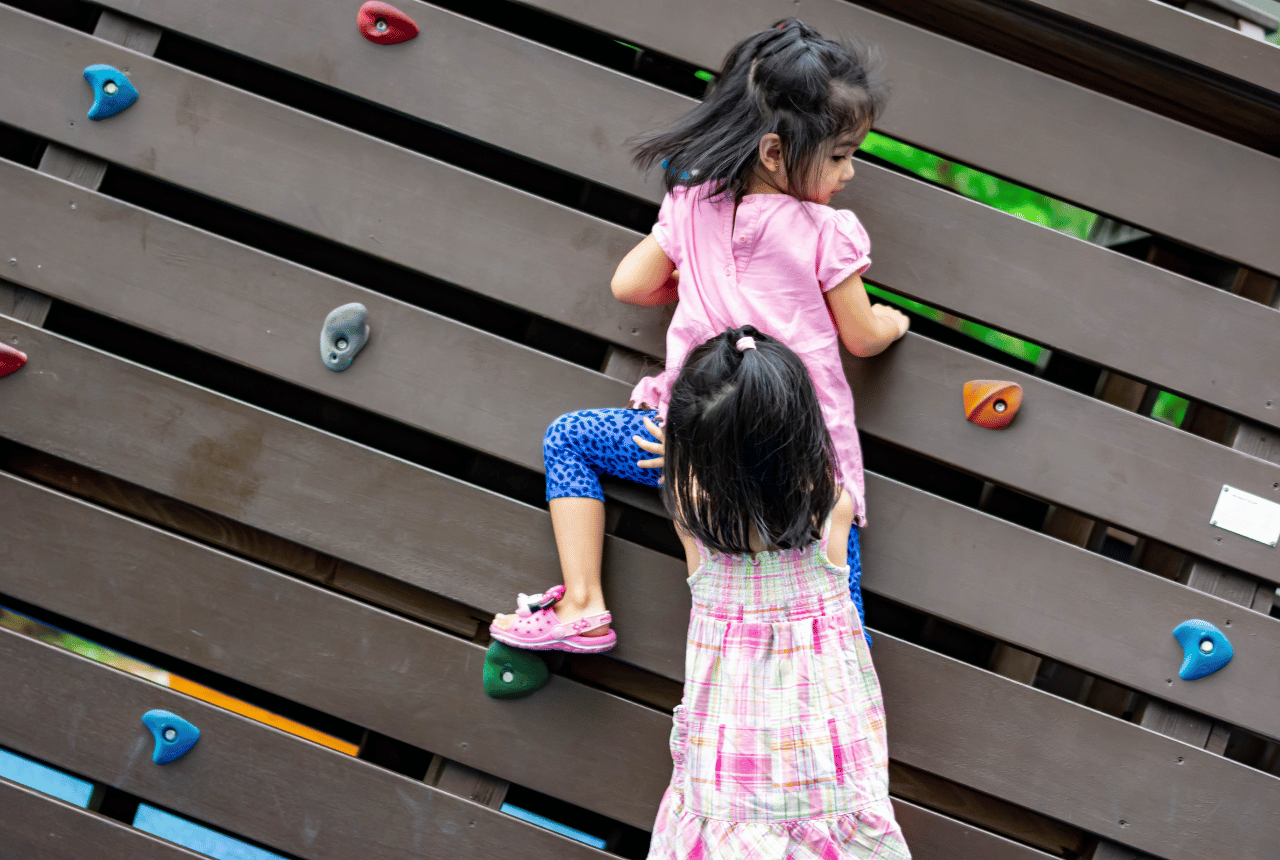
1. Kindness in Action Chart
Invite children to notice kind acts throughout the day — sharing toys, comforting a friend, helping clean up. Talk about how these choices help everyone feel safe and valued.
You might say:
“Dr. King helped people by choosing kindness and fairness. What kind of choice did you make today?”
This keeps the focus on empowerment rather than perfection.
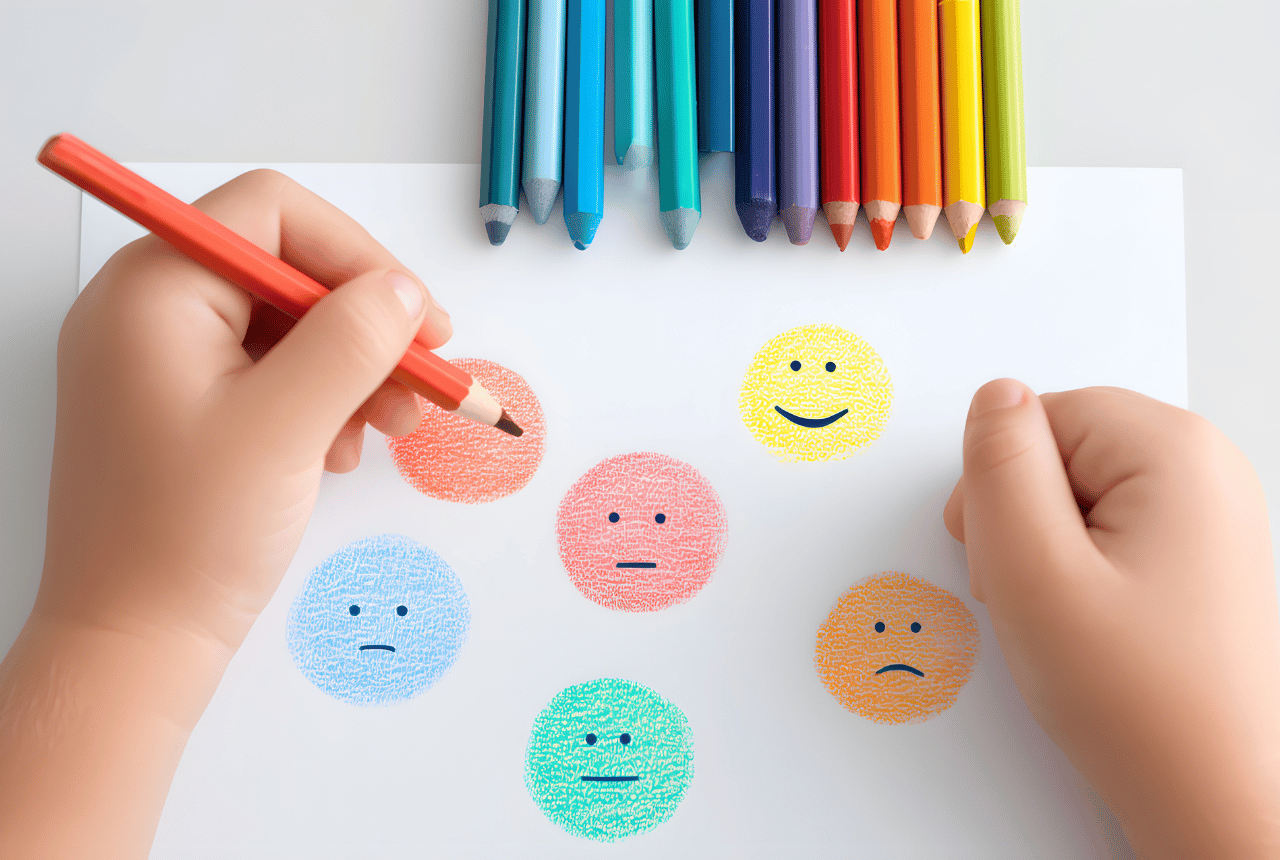
2. Feelings First: Building Empathy Through Emotions
Understanding emotions is a powerful step toward empathy. When children can name what they’re feeling, they become more aware of how others might feel too.
Using tools like an Emotions Chart helps preschoolers expand their emotional vocabulary beyond “happy” or “sad.” Throughout the day, invite check-ins:
“How does your body feel right now?”
“Which feeling matches your face?”
These conversations support children in recognizing emotions — both their own and others’ — which lays the groundwork for compassionate behavior.
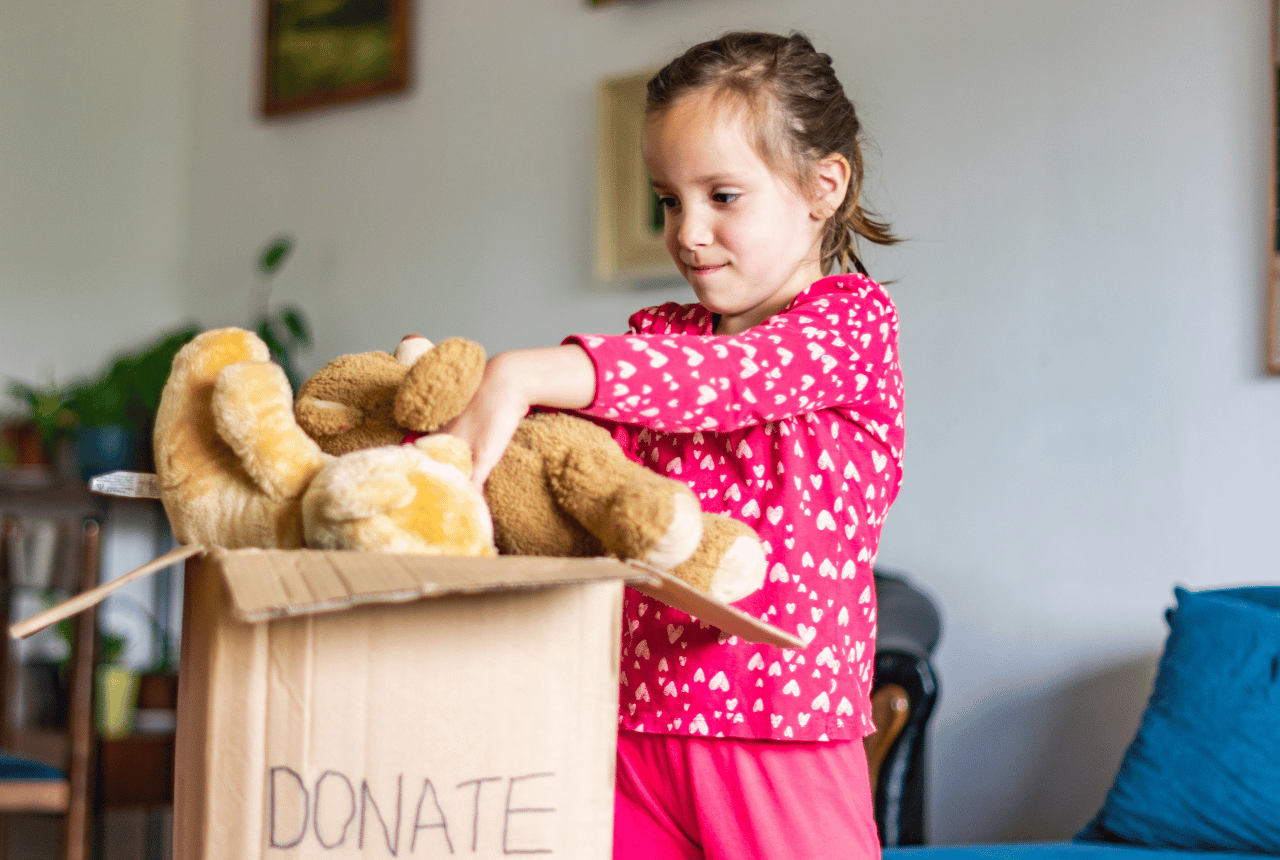
3. Helping Hands Service Projects
Service for preschoolers can be simple and joyful:
Making cards for family members or neighbors
Collecting books or toys to share
Helping prepare a snack for someone else
These moments show children that helping doesn’t have to be big to matter. Each small act contributes to a kinder community.
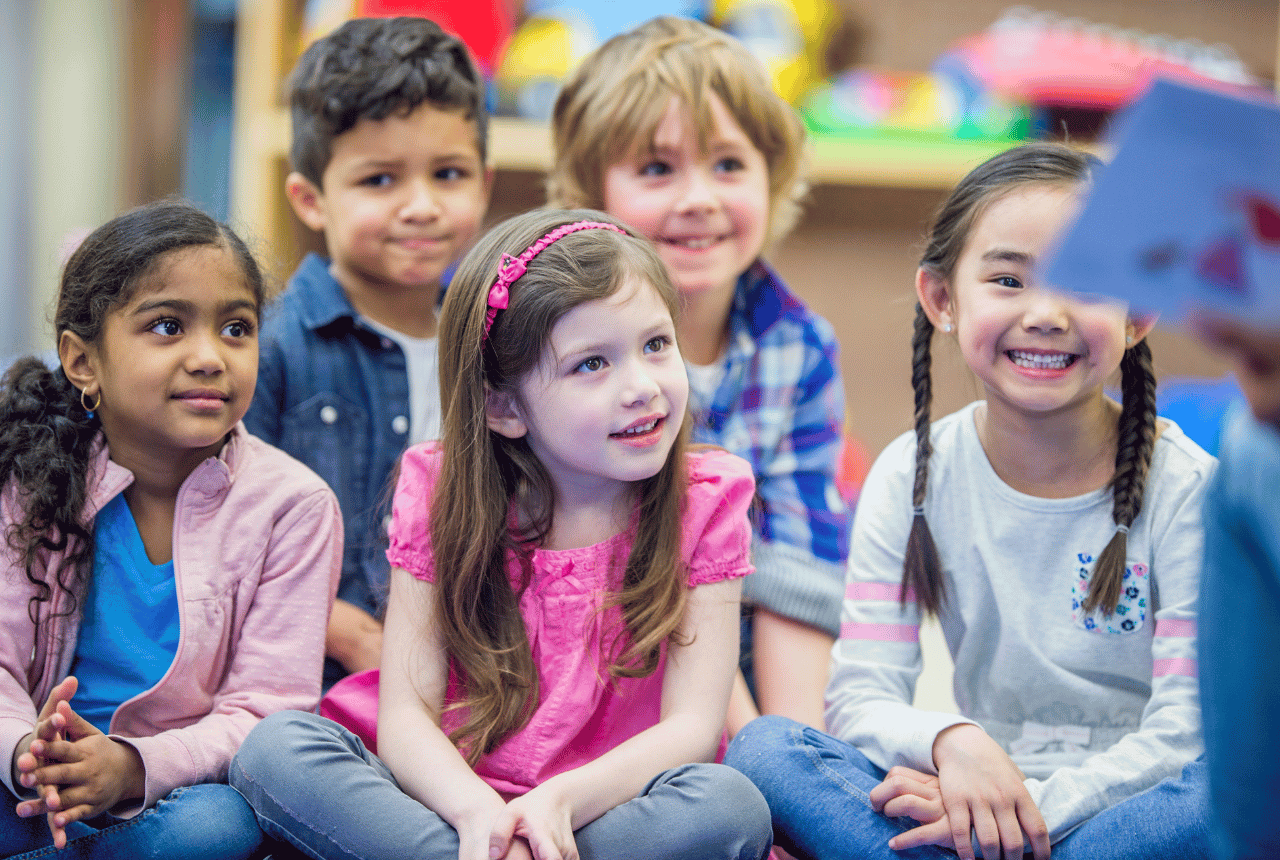
4. Storytime With Purpose
Choose picture books that highlight kindness, fairness, and standing up for others. After reading, invite gentle reflection:
“How did the character help someone?”
“How did that make others feel?”
This encourages children to connect stories to their own experiences.
5. Peace Words Practice
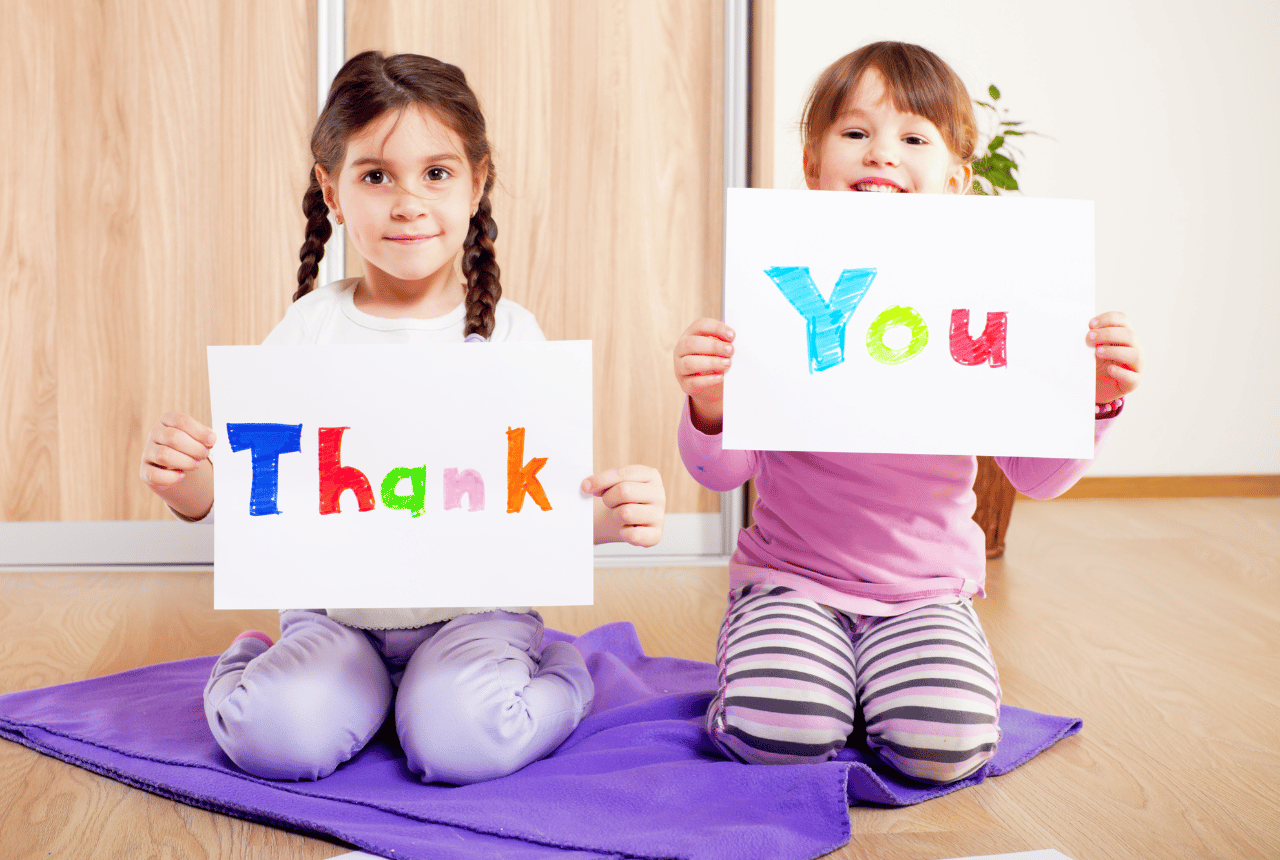
Create a simple list of “peace words” preschoolers can use throughout the day — words like please, thank you, help, sorry, and can I try? Practice them during play or role-play common classroom or home scenarios.
This activity connects directly to Dr. King’s emphasis on peaceful communication and helps children experience how words can bring calm and understanding.

6. Community Helpers Appreciation Walk
Take a short walk (real or pretend) to notice helpers in your community — mail carriers, librarians, crossing guards, grocery workers, or family helpers at home. Invite children to talk about how these people help others every day.
You might ask:
“How do you think it feels when someone helps you?”
This builds gratitude, empathy, and awareness of service in everyday life.
7. Feel-Good Art: What Kindness Looks Like
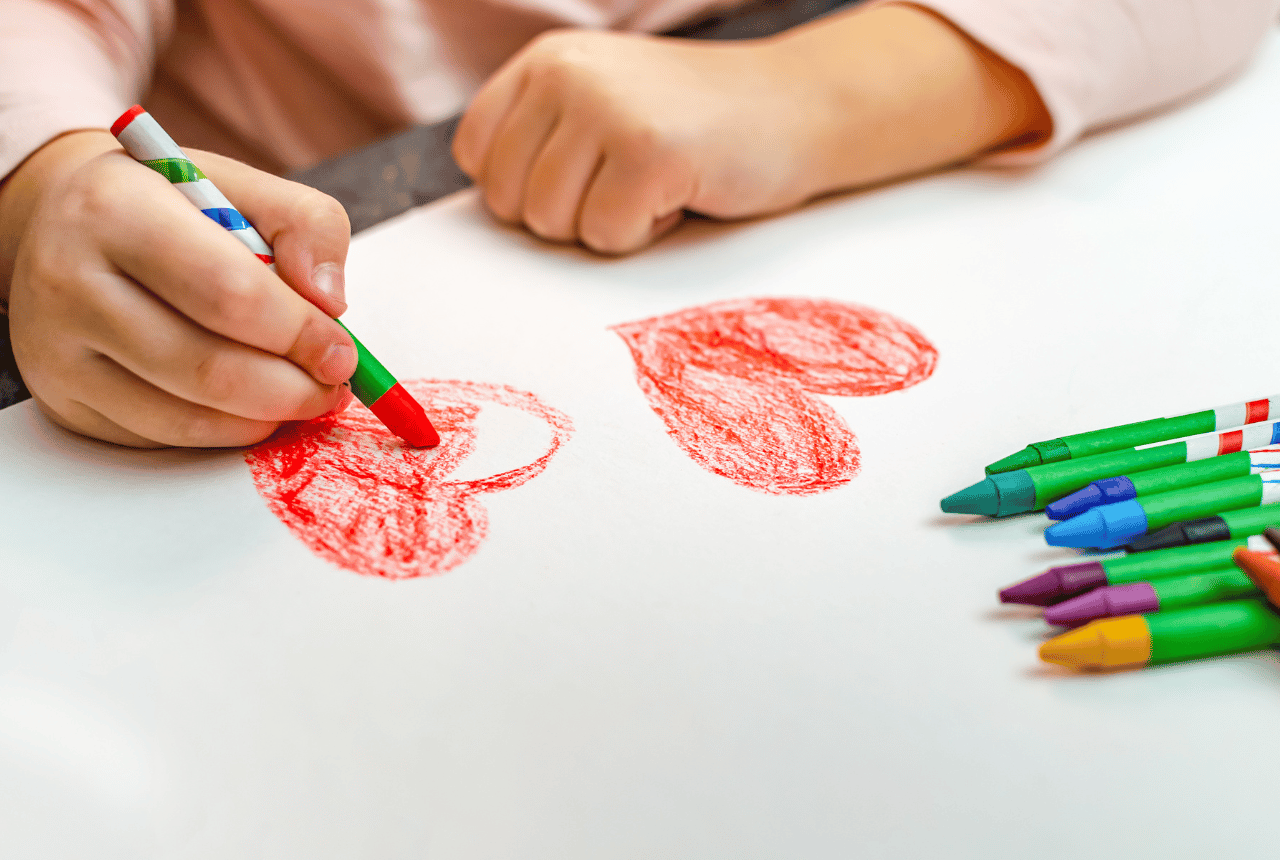
Offer open-ended art materials and invite preschoolers to draw or create what kindness looks or feels like to them. Some may draw helping hands, smiling faces, or hearts.
As they share their artwork, reflect their ideas back:
“You chose bright colors. That shows how kindness feels happy to you.”
This reinforces emotional expression and helps children connect feelings to actions.
Empowering Preschoolers to Practice Kindness Daily
Empowerment grows when children feel capable and understood. Giving preschoolers tools to express emotions, recognize others’ feelings, and take helpful action builds confidence alongside empathy.
When kindness becomes part of daily routines — not just special holidays — children learn that they have the ability to create positive change in their own small ways.
A Gentle Starting Point for Families and Educators 🌱
Every preschool year looks a little different. Some families are focusing on social-emotional growth, while others are balancing skill-building alongside character development.
The FREE Preschool Pathfinder offers a supportive way to gain clarity on what your preschool experience needs most right now — whether that’s meaningful connection, emotional growth, or readiness skills.

Hello there, dedicated Preschool Chaos Coordinators!
Ready to discover your preschool’s true focus? This tool guides you to understand whether your efforts should enrich childhood experiences or prepare children for academic success.
Free Resource
Thank you for reading this content. And if you loved this post, please be sure to join our Parent Advisor Facebook group where we share more insights and community.
Download the FREE My Emotions Chart to support emotional awareness and empathy.
Visit our Parent Advisor and The Buzz Blogs to learn more about related topics and parenting tips. You are welcome to join our private Parent Advisor Facebook group. It’s a growing community of parents and preschool teachers where you can learn and share more parenting tips.