
The Preschool Years Go Fast: Are You Building a Childhood You’ll Remember?
We get so busy making sure our children are on track that we sometimes forget to ask a different question altogether: are we building something they will carry with them?
It happens quietly. One ordinary Tuesday at a time.
The preschool years have a way of feeling both endless and impossibly fast. Some mornings stretch on forever, and then suddenly you are looking at photographs from six months ago wondering how your child got so much bigger, so much more themselves.
Many of us arrive at this season with a checklist in hand. Letters. Numbers. Fine motor skills. Kindergarten readiness. And those things absolutely matter. But somewhere in the busyness of checking boxes, it is easy to drift away from the question that might matter even more:
What do we want this season to feel like? What do we want our children to remember?
This week, we are inviting you to slow down just enough to think about that. Because the families who build the most meaningful preschool experiences are not the ones with the most structured schedules. They are the ones who are intentional about the small, ordinary moments that become memories.
The Difference Between Busy and Intentional
There is nothing wrong with structure, productivity, or working toward skills. Those things serve children well. But there is a particular kind of exhaustion that comes from a preschool season built entirely around getting things done, and very little around being together.
When we talk with families who feel the most grounded in this season, a few things come up again and again. They are not doing more. They are doing things with more intention. They have found their anchors: the small rituals, the seasonal traditions, the unhurried moments that give the whole year a feeling of warmth and purpose.
That is what we want to help you find.
Four Things That Build a Childhood Worth Remembering
These are not grand gestures. They are the quiet, repeatable things that show up in adult memories of childhood far more often than any worksheet or structured lesson ever does.
1. Family values woven into everyday moments.
Children absorb what they live alongside. When kindness, curiosity, generosity, or creativity are visibly valued in your home or classroom, those become part of who a child understands themselves to be. We do not need to announce our values. We live them, and children feel it.
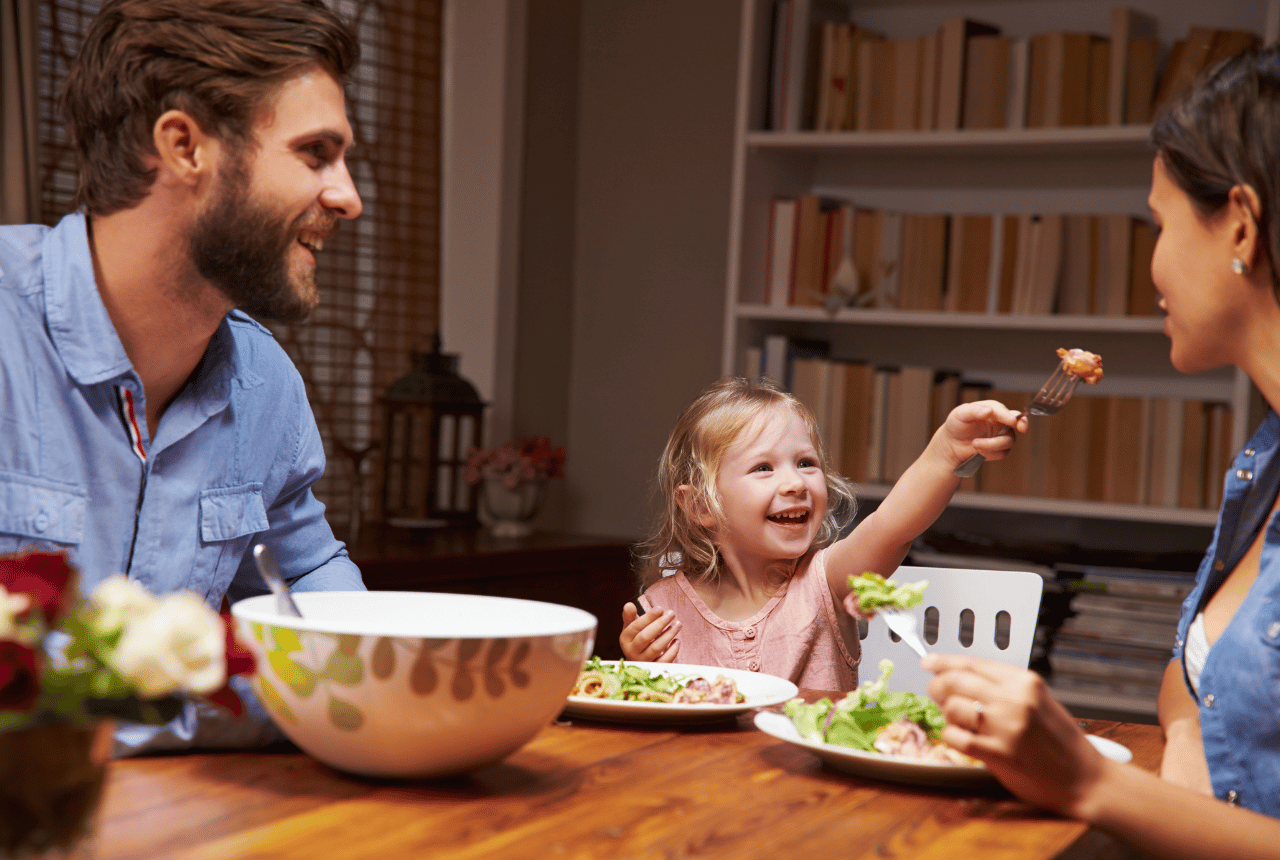
Example 1:
A family makes a habit of asking at dinner, “Who did you help today?” Their preschooler begins looking for moments to help during the day so she will have something to share at the table.
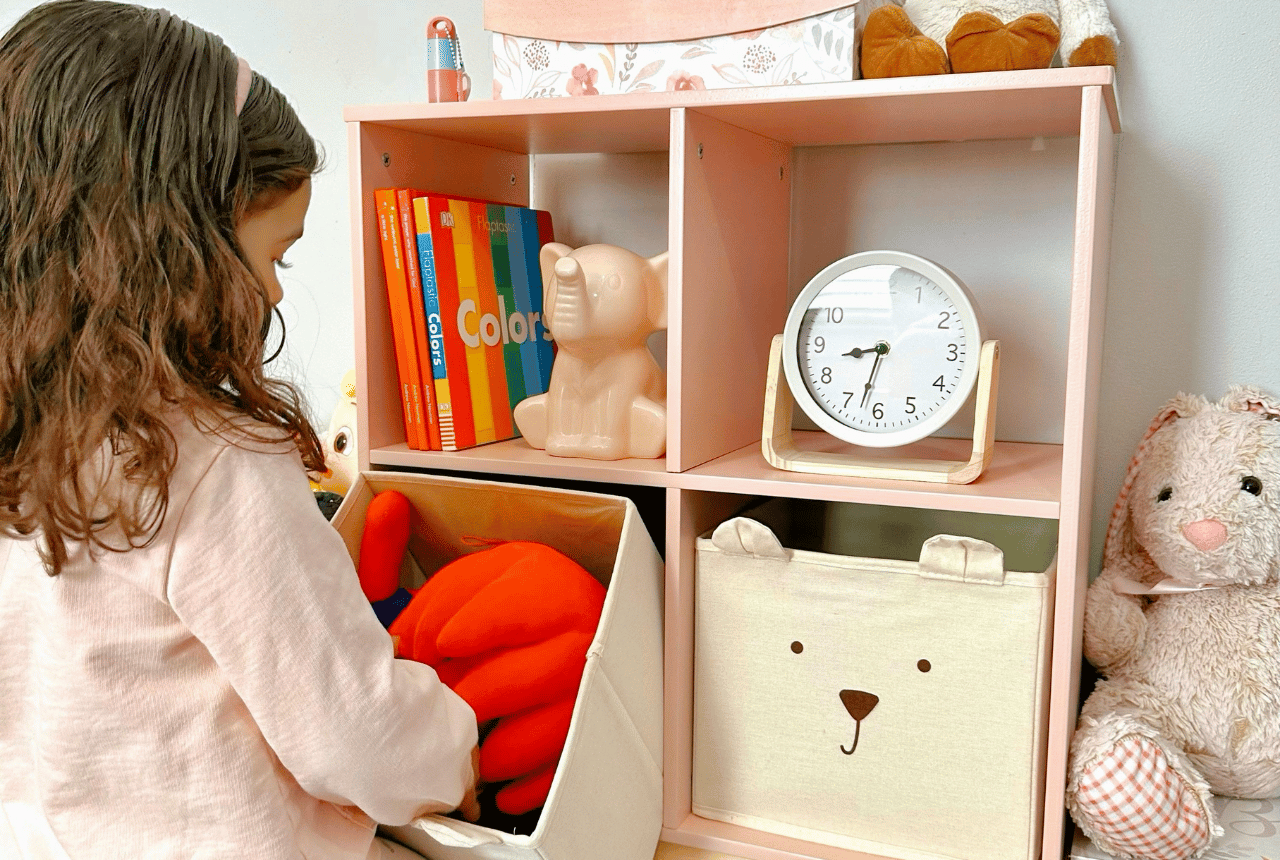
Example 2:
A home educator keeps a small “curiosity shelf” where children can place interesting things they find: a feather, a bottle cap, a leaf with an unusual shape. Over time, the shelf becomes a beloved classroom ritual that children talk about for years.
2. Seasonal rhythms that give the year a heartbeat.
Preschoolers are deeply attuned to the natural world and the passage of time. When we mark seasons together, through simple activities, foods, walks, or observations, we give children a sense of place and belonging that anchors them in a way few things can.
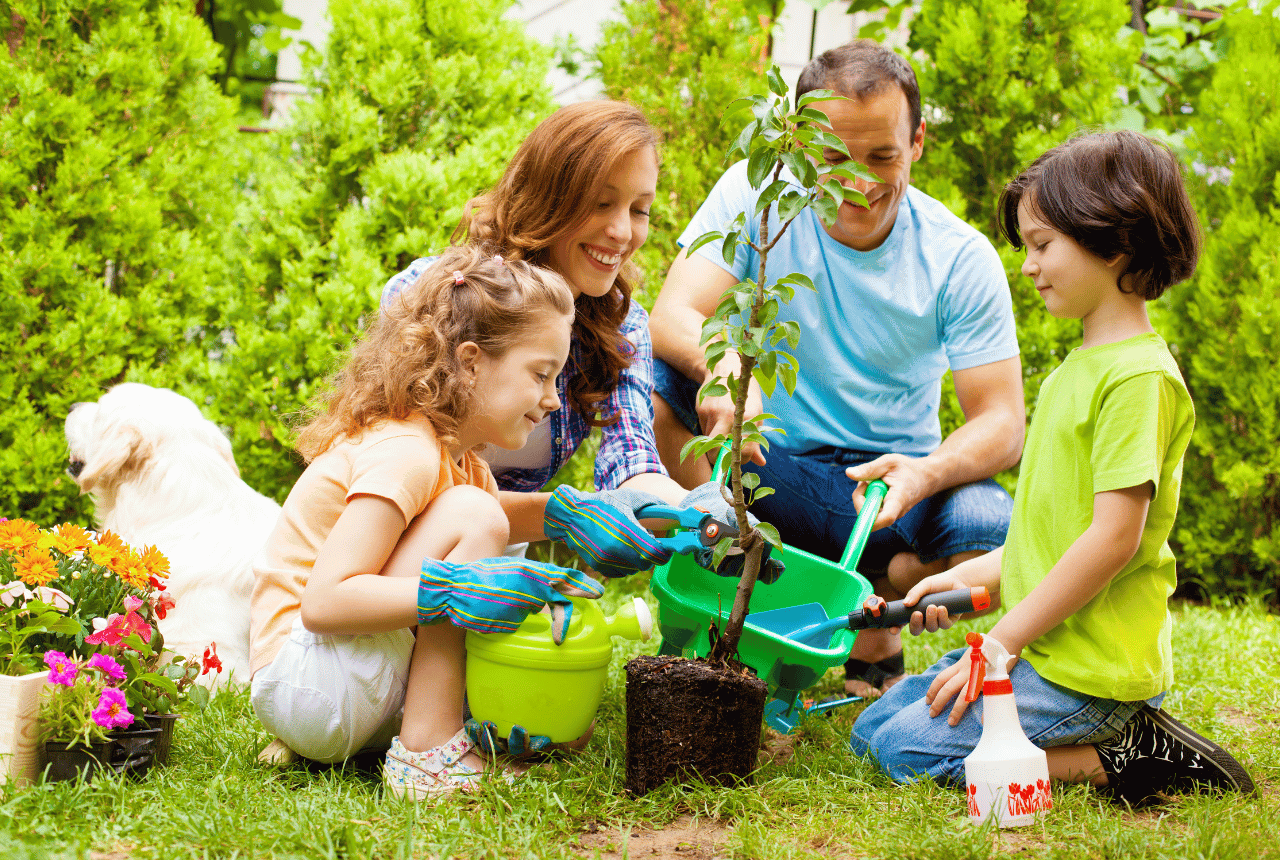
Example 1:
Every spring, a family plants seeds together in the same spot in their backyard. Their three-year-old has started asking about it since February, connecting the season to something she helped create.
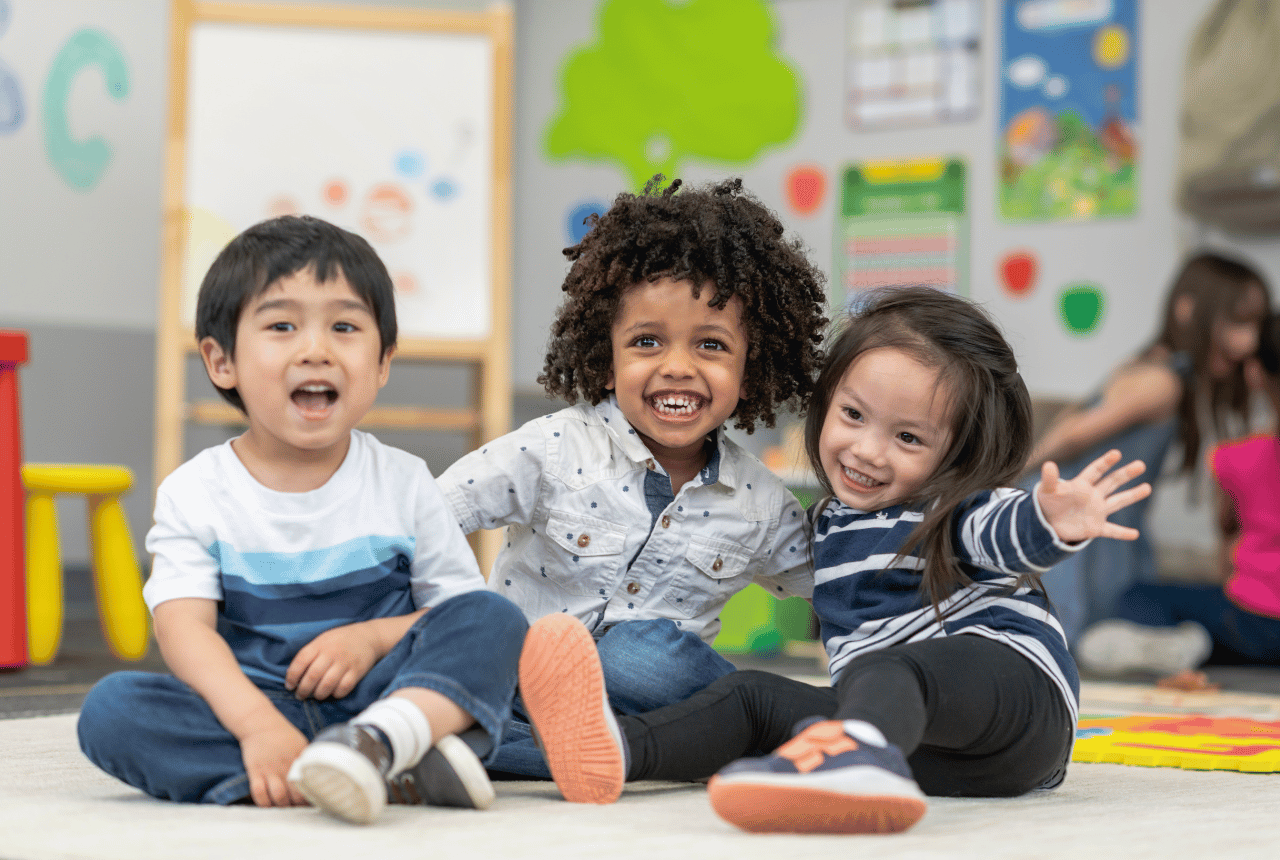
Example 2:
A preschool class celebrates the first day of each new season with a simple sensory activity: ice exploration in winter, flower pressing in spring, sun tea in summer, leaf rubbings in autumn. Children look forward to each one and narrate them to their families with delight.
3. Memory anchors: the small rituals that stick.
Memory anchors are the repeatable moments that a child comes to expect and treasure. They do not need to be elaborate. A special song before nap, a particular snack on Fridays, a goodbye ritual at drop-off, a Saturday morning walk to the same coffee shop. These predictable pleasures become some of the warmest memories of childhood.
Example 1:
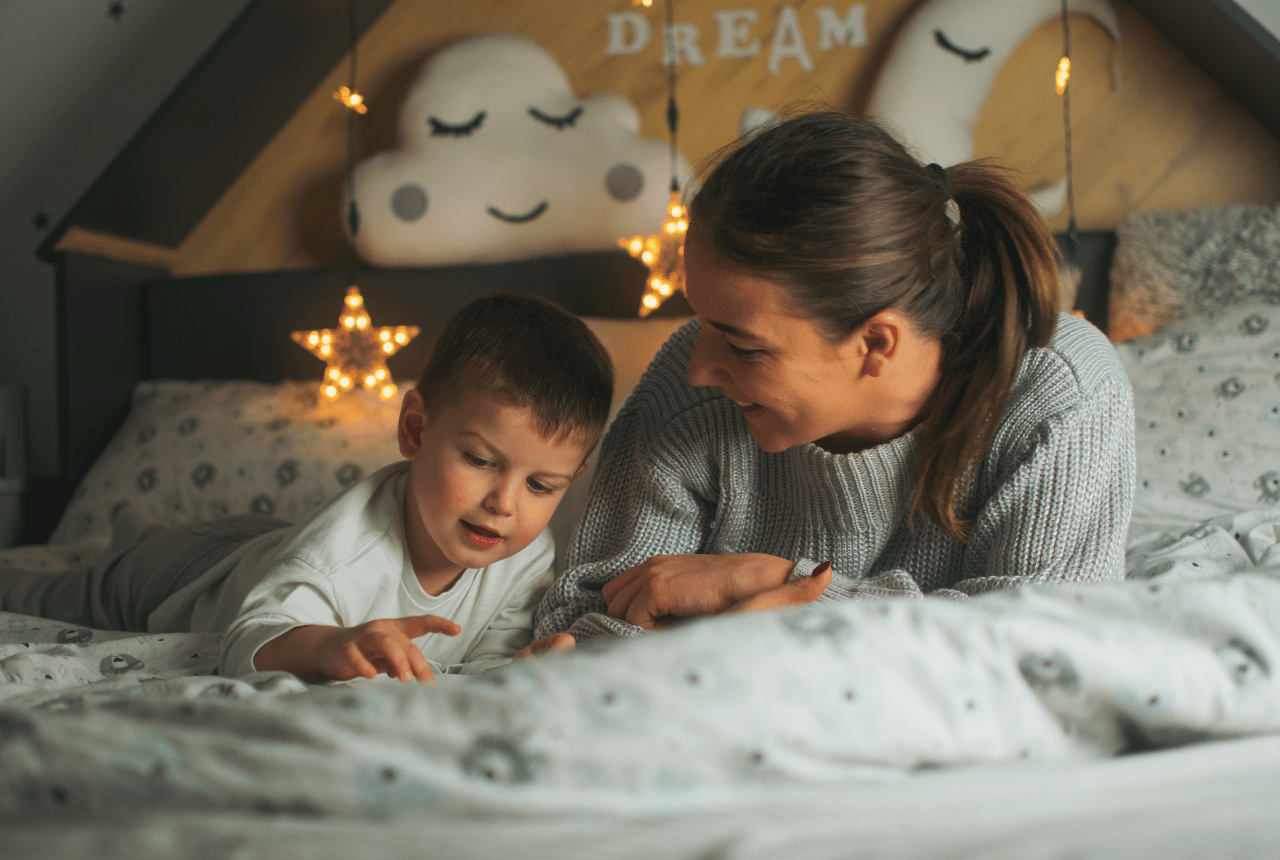
A parent and child share a “three things” conversation at bedtime: one thing that was hard, one thing that was funny, and one thing they are grateful for. Years later, the child asks to keep doing it even as a teenager.

Example 2:
Every Friday afternoon, a home educator ends the week with “Friday Free Create,” an open-ended art and making time with soft music and no expectations. Children begin asking about it by Wednesday. Families report their children recreating it at home on weekends.
4. Traditions that tell a child: this is who we are.
Traditions are memory anchors with a longer arc. They happen across years, not just weeks, and they quietly communicate something profound to a child: we do this together, and we will do it again. That sense of continuity builds security in a way that is difficult to replicate through any formal learning activity.
Example 1:
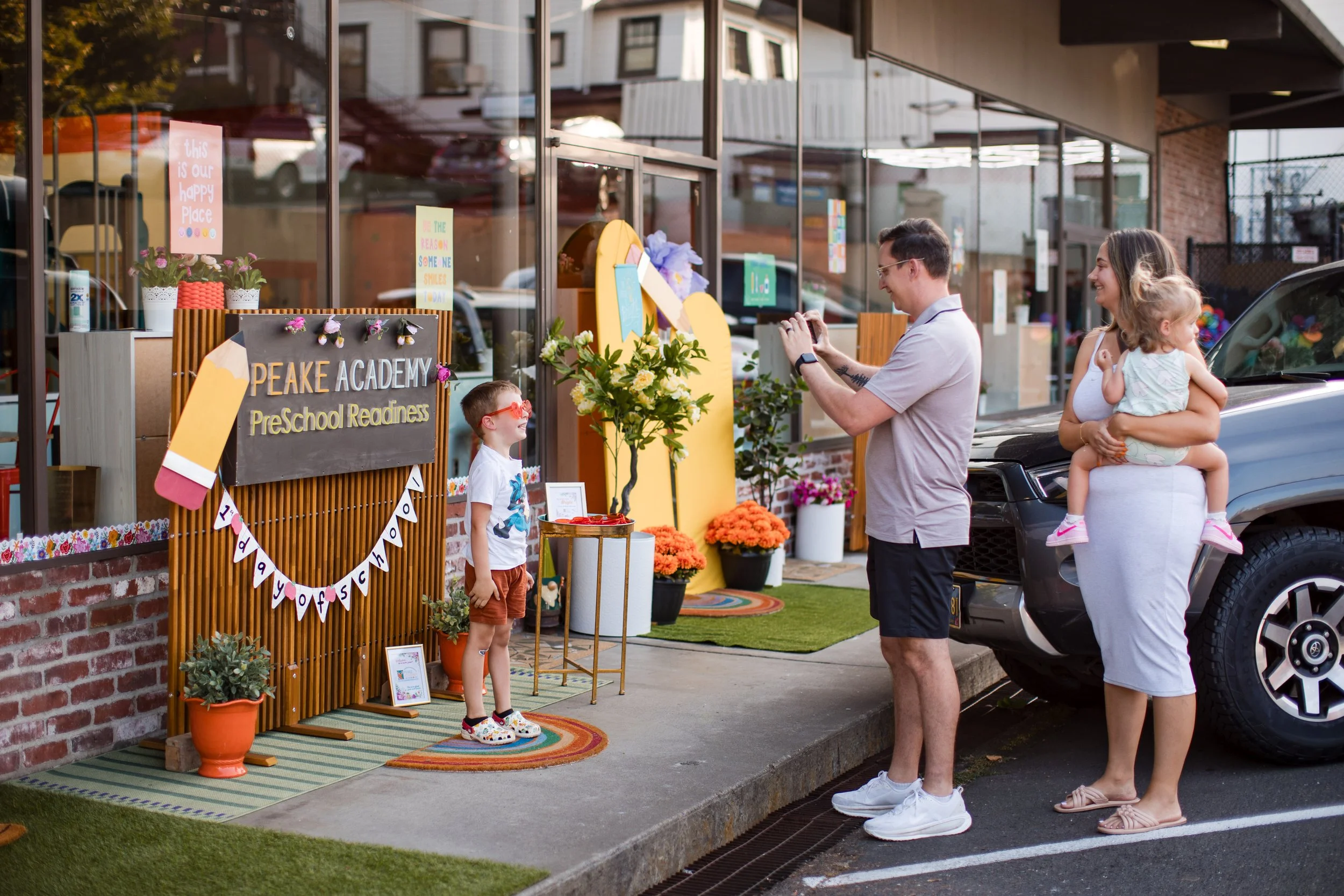
A family takes a photograph of their child in the same chair on the first day of each new season. By age five, their daughter asks to look through the photos together and narrates what she remembers from each one.

Example 2:
A preschool educator creates an end-of-year memory book with each child, filled with drawings, photographs, and dictated stories from the year. Families share that these books become treasured keepsakes their children return to again and again.
You Do Not Need a Perfect Plan. You Need Intention.
This is not about adding more to your plate. It is about shifting the lens just slightly, from what we are accomplishing to what we are creating together.
A child who grows up in a home or classroom full of small, intentional moments arrives at kindergarten with something that no readiness checklist can measure: a deep sense of being known, loved, and rooted. That foundation carries them further than almost anything else we can give them.
And here is the beautiful thing: summer is one of the very best seasons to build these anchors. The slower pace, the longer days, the freedom from structured schedules, it is all an invitation to be more intentional about the experiences we create together.
We have been thinking a lot about that, and we have something coming that we think will make this summer feel truly special. More on that very soon.
Ready to Design a Summer Full of Meaningful Moments?
Welcome to Your Summer of
Fun and Memories
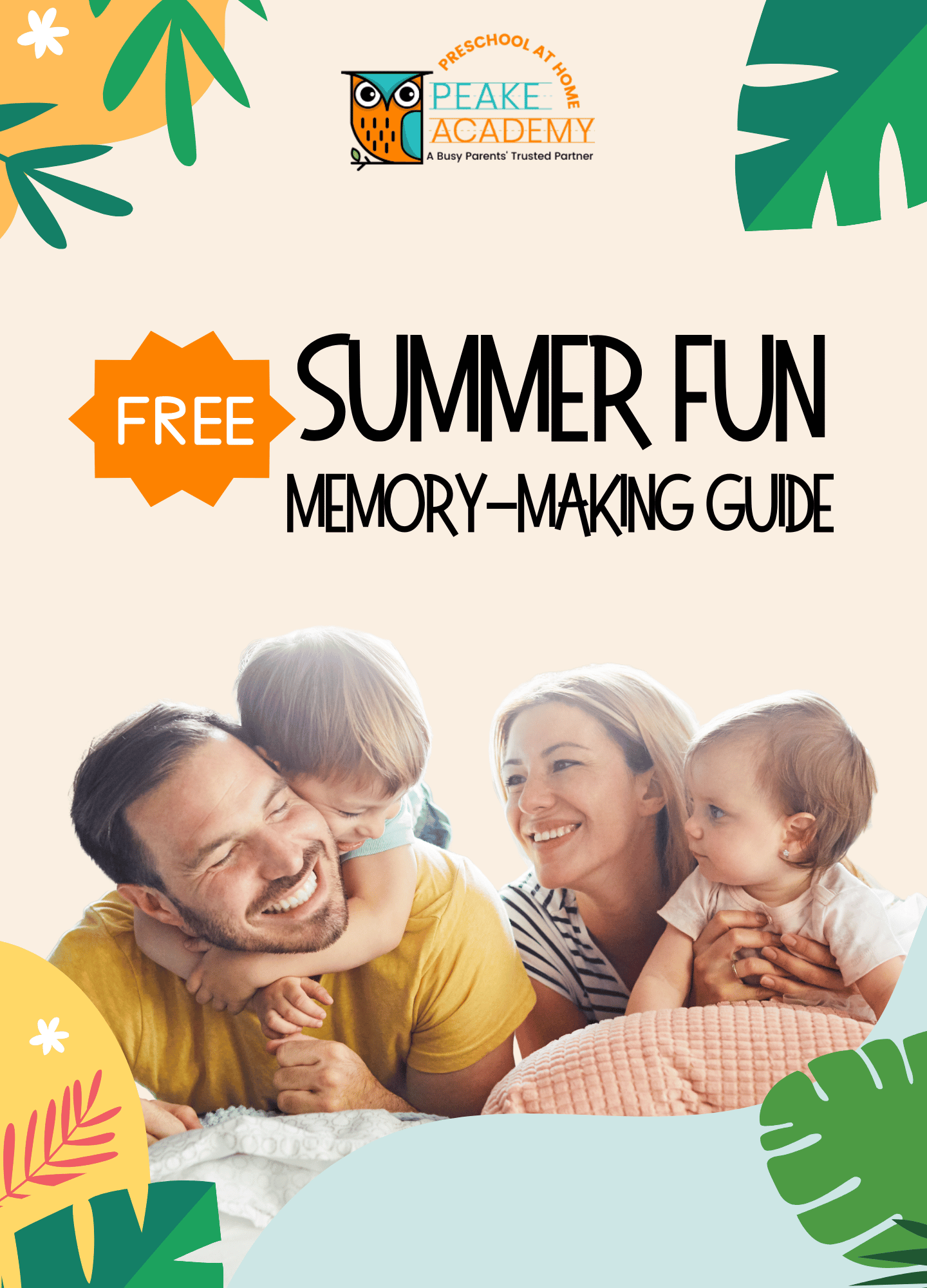
Download the free Summer Fun Memory-Making Guide from Peake Academy. Packed with ideas for outdoor adventures, creative experiences, and simple seasonal traditions, it is the perfect companion for families who want this summer to feel less like a to-do list and more like a story worth telling.
🌱 Grab Your Free Preschool Memories Printable
We created a free Preschool Memories printable to help you capture the small moments that matter most this season. Simple, beautiful, and designed to become a keepsake your family will treasure.
Thank you for reading this content. And if you loved this post, please be sure to join our Parent Advisor Facebook group, where we share more insights and community.
Visit our Parent Advisor and The Buzz Blogs to learn more about related topics and parenting tips. You are welcome to join our private Parent Advisor Facebook group. It’s a growing community of parents and preschool teachers where you can learn and share more parenting tips.