
Heartfelt Connections: Valentine’s Day Activities That Teach Kindness
Valentine’s Day with preschoolers often brings mixed emotions for parents and teachers. It’s supposed to be sweet and fun, but it can quickly turn into a blur of candy, rushed crafts, and activities that look adorable yet feel… empty.
Many adults find themselves asking the same question every year:
How do we make holidays meaningful without adding more chaos or pressure?
You want your preschooler to enjoy the excitement of Valentine’s Day, but you also want it to stand for something. You want it to teach kindness, empathy, and connection, not just result in another pile of stuff and a sugar crash by noon.
When time and energy are limited, it’s hard to know which traditions actually matter, and which ones can quietly be let go.
If this feels familiar, you’re not alone.
After walking alongside countless parents and early childhood educators, one truth continues to rise to the surface: preschoolers don’t need more activities—they need more intentional ones. The most powerful learning happens in simple, thoughtful moments that meet children right where they are.
When we approach holidays like Valentine’s Day with purpose—focusing on emotional growth and connection—they stop feeling overwhelming and start feeling meaningful. And that shift changes everything.
Here’s how to turn Valentine’s Day into a kindness-centered experience that supports empathy without adding stress or extra prep.
Step 1: Reframe Valentine’s Day as a Kindness Holiday
Instead of centering the day around crafts and exchanges, anchor it around one guiding idea:
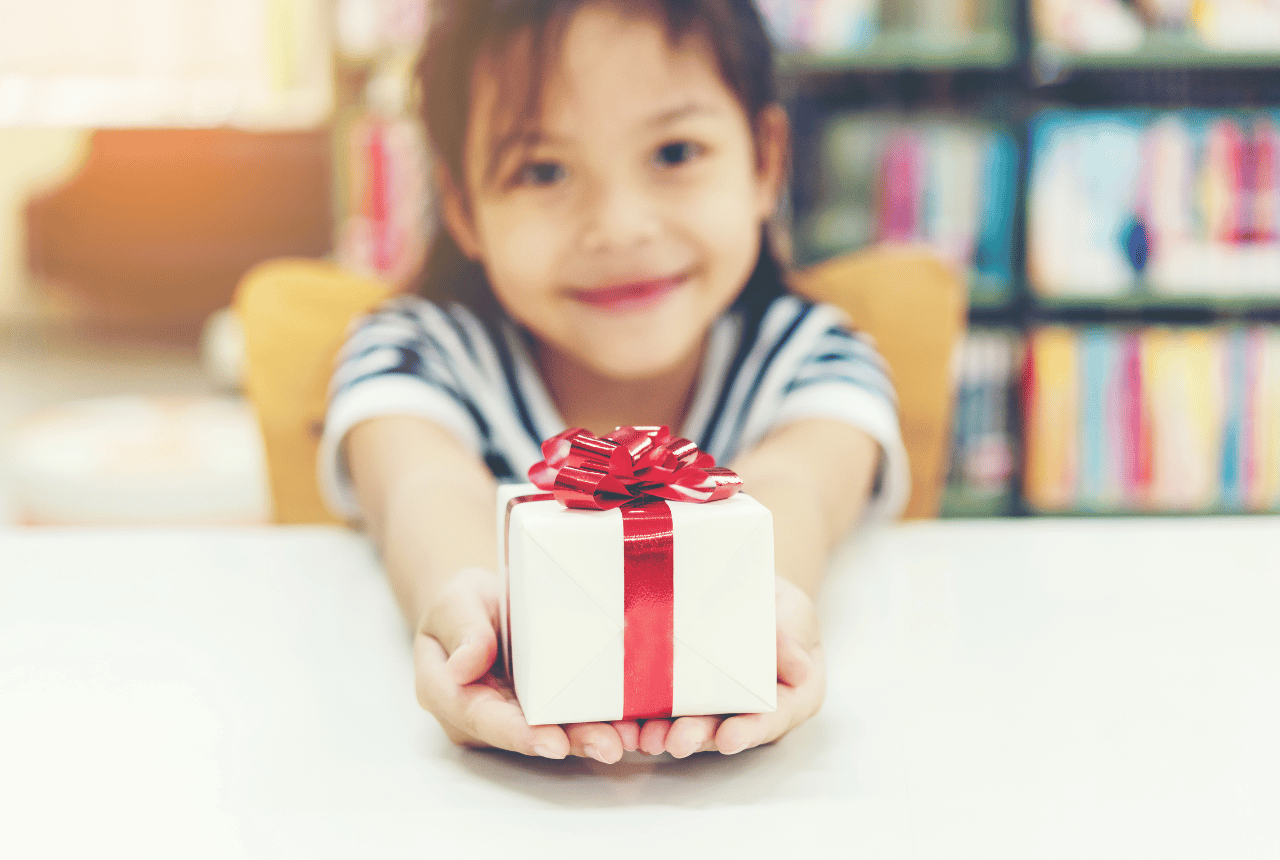
How can we show care for others today?
This simple mindset shift helps children understand that Valentine’s Day isn’t just about receiving—it’s about giving.
Step 2: Use Activities That Build Empathy
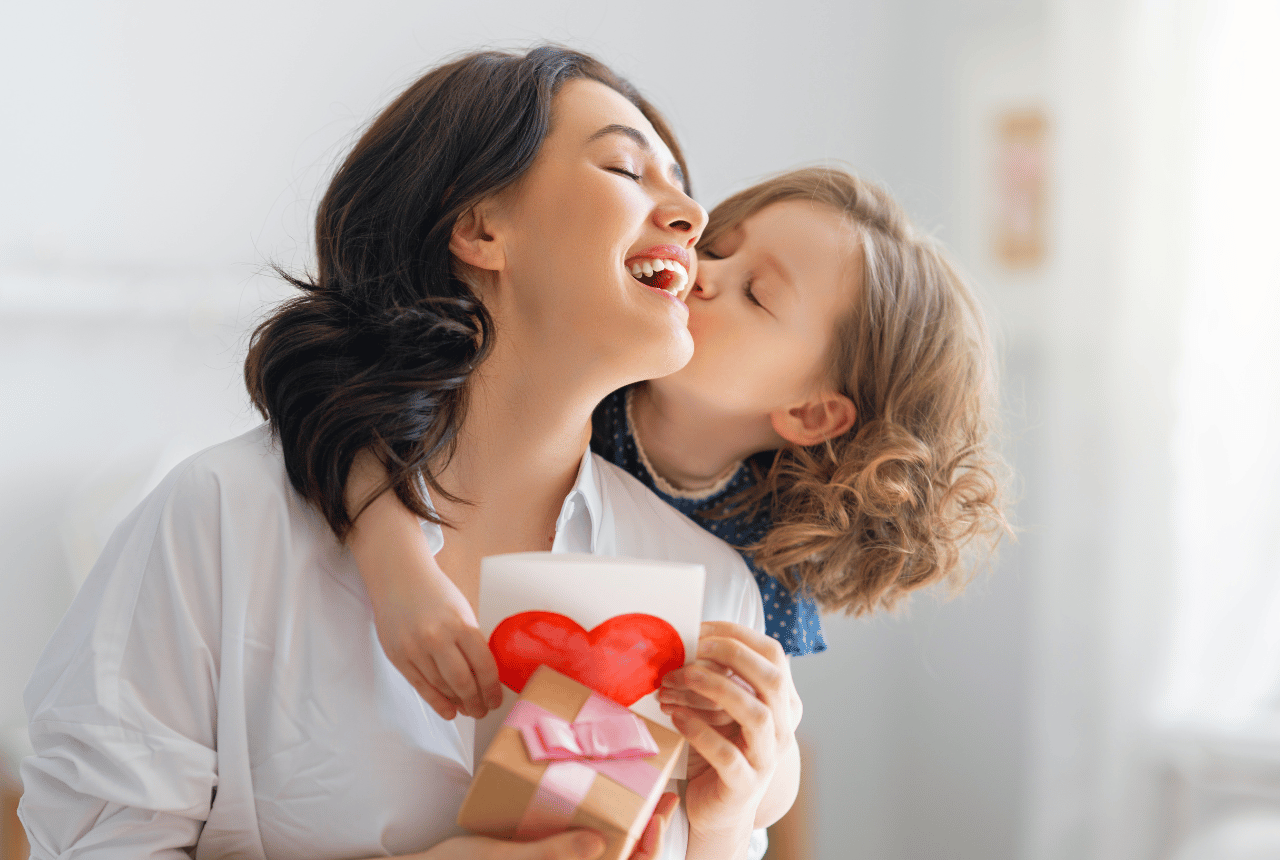
💌 Kindness Notes with a Purpose
Rather than generic Valentine cards, invite preschoolers to create notes focused on appreciation. Try prompts like:
“I like you because…”
“You make me happy when…”
“Thank you for…”
This encourages children to notice positive qualities in others and express them—an essential empathy-building skill.
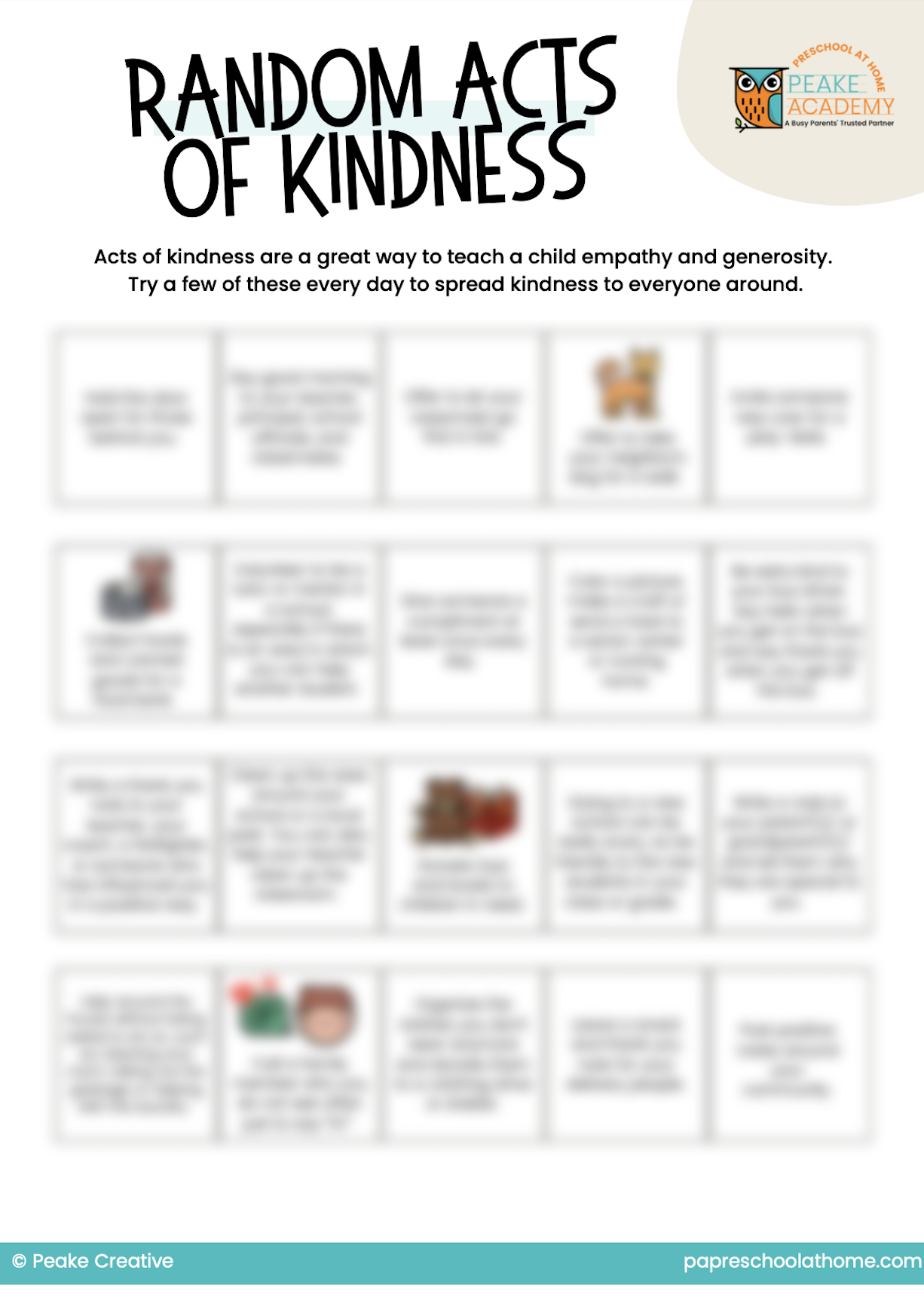
🌱 Random Acts of Kindness (Preschool-Style)
Acts of kindness don’t need to be big to be powerful. Small, intentional actions help children feel capable, confident, and connected.
Preschool-friendly ideas include:
Holding the door for a friend
Giving a compliment
Helping clean up without being asked
Drawing a picture for someone special
Using our Random Acts of Kindness printable makes these ideas tangible and empowering. Children can see their kindness in action, one moment at a time.

🧡 Community Kindness Projects
Valentine’s Day is also a beautiful opportunity to look beyond the classroom or home. Consider:
Making cards for a senior center
Leaving thank-you notes for delivery drivers
Donating gently used toys or books
These experiences gently introduce the idea that kindness extends into the wider world, and that even young children can make a difference.
Step 3: Turn Activities Into Meaningful Memories
What transforms an activity into a memory isn’t perfection… it’s connection.
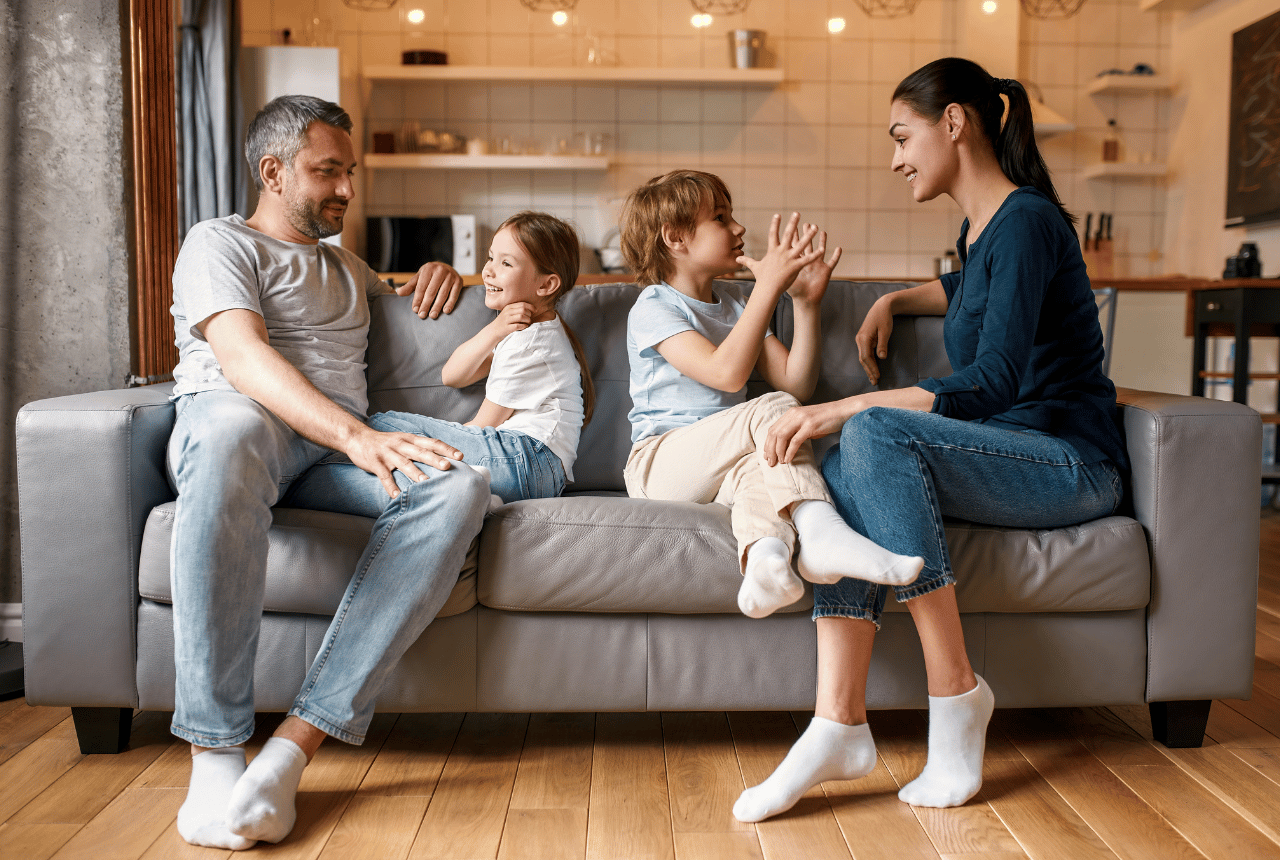
Pause and reflect together:
“How did that make you feel?”
“How do you think they felt when you helped them?”
“What was your favorite kindness today?”
These conversations help children internalize empathy while strengthening your bond with them. And these are the moments families remember—not the craft itself, but how it felt to slow down, connect, and grow together.
Why This Matters Now
When holidays become rushed or surface-level, we miss powerful opportunities to build social-emotional skills that preschoolers need now, not later. Empathy and kindness don’t develop automatically—they grow through repeated, intentional experiences.
Without that practice, children may struggle with:
Understanding others’ feelings
Navigating peer relationships
Managing big emotions in group settings
These challenges often show up later as frustration, behavioral struggles, or social withdrawal.
Studies consistently show that strong social-emotional skills in early childhood are linked to better academic success, healthier relationships, and long-term well-being. Early empathy-building experiences help children feel more confident, connected, and ready to learn as they grow.
Those small Valentine’s Day moments? They’re laying important groundwork for the years ahead.
If you want Valentine’s Day to feel calmer, more meaningful, and aligned with the values you’re trying to teach, you don’t need elaborate plans—you just need the right support.
Free Resource
Thank you for reading this content. And if you loved this post, please be sure to join our Parent Advisor Facebook group where we share more insights and community.
✨ Start with the Random Acts of Kindness printable to give your preschooler simple, doable ways to practice empathy this week.
✨ Explore the Preschool Pathfinder to gain clarity on whether your season calls for more memory-making, more skill-building, or a thoughtful balance of both.
🧡 Because the most meaningful Valentine’s Day gifts aren’t exchanged in a bag. They’re created in the moments you share together.
Ready to discover your preschool’s true focus?
This tool guides you to understand whether your efforts should enrich childhood experiences or prepare children for academic success.
Visit our Parent Advisor and The Buzz Blogs to learn more about related topics and parenting tips. You are welcome to join our private Parent Advisor Facebook group. It’s a growing community of parents and preschool teachers where you can learn and share more parenting tips.