
Everyday Learning: Playful Activities to Keep Skills Sharp as Summer Ends
As the school year approaches, it's easy to feel a flicker of panic about the so-called "summer slide," the worry that all the structured learning of the school year has quietly slipped away over the past few months. Here's some reassuring news. Kids don't need worksheets or flashcards to stay sharp. They need chances to count, sort, build, and talk through their day, and those chances are probably already happening in your house without you realizing it.
Learning Lives in Ordinary Moments
A scavenger hunt around the backyard teaches counting and categorizing. A trip to the grocery store, sorting fruit into the cart or comparing prices, builds early math skills. A silly bedtime story, especially one your child helps make up, strengthens sequencing and vocabulary. None of this requires a workbook. It just requires a little intention about noticing what's already educational.

Turn Errands Into Learning Opportunities
The most effective summer learning often happens in the cracks of an ordinary day. Ask your child to count how many red cars you pass on a drive. Have them help measure ingredients while baking. Let them sort laundry by color, which is secretly a sorting and categorizing exercise. These moments feel like nothing more than daily life, but they're reinforcing exactly the skills kindergarten teachers look for.

Build Literacy Through Conversation, Not Worksheets
Reading readiness has less to do with memorizing letters and more to do with rich, back-and-forth conversation. Ask open-ended questions throughout the day. "What do you think will happen next?" "Why do you think the dog ran away?" These small exchanges build vocabulary and comprehension far more effectively than isolated letter drills.
Practice Social Skills Through Play
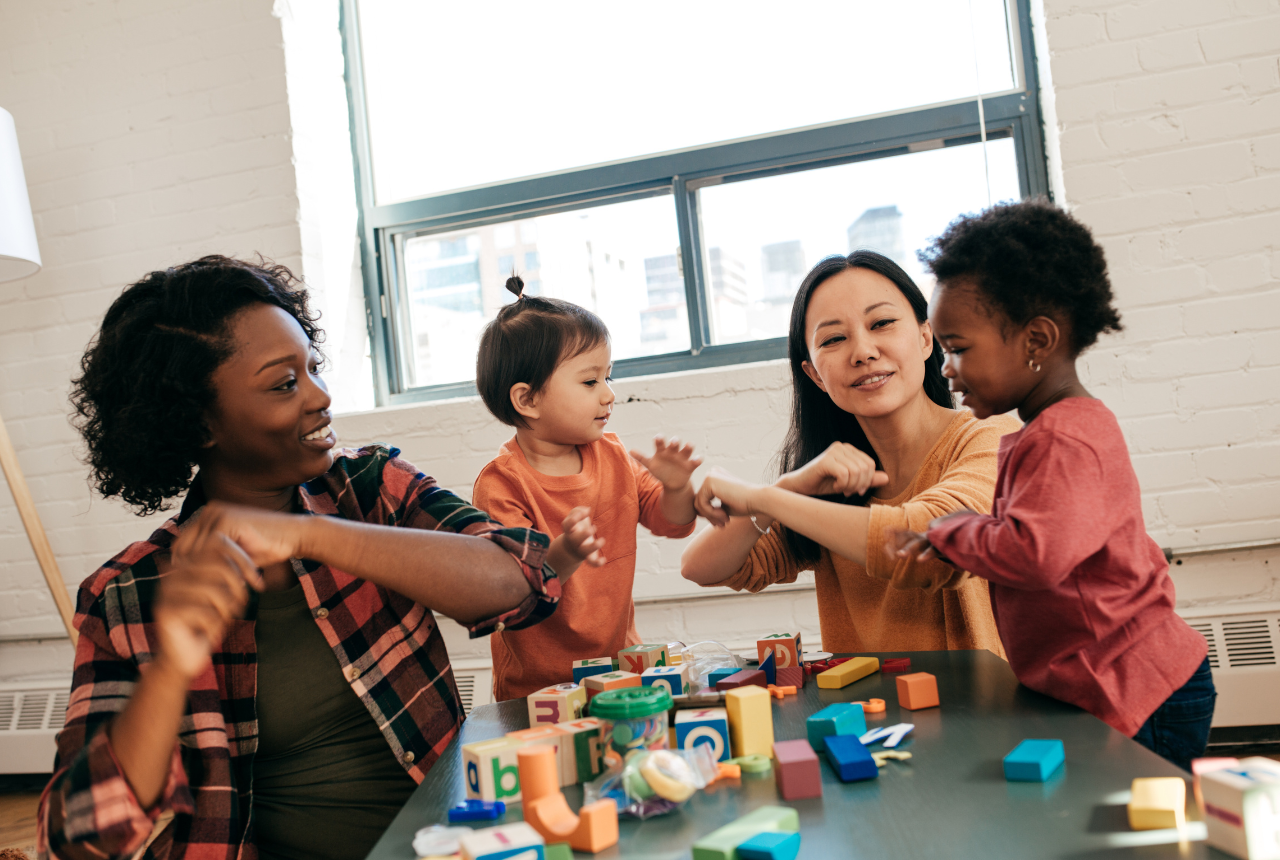
Kindergarten readiness isn't only about academics. Following directions, taking turns, and managing frustration are just as important, and they're built through play, not instruction. A simple board game with turn-taking rules, a group activity at the park, or even negotiating who gets to go first on the slide, all of it is quietly building the social-emotional skills your child will lean on come September.
Keep It Playful, Not Pressured
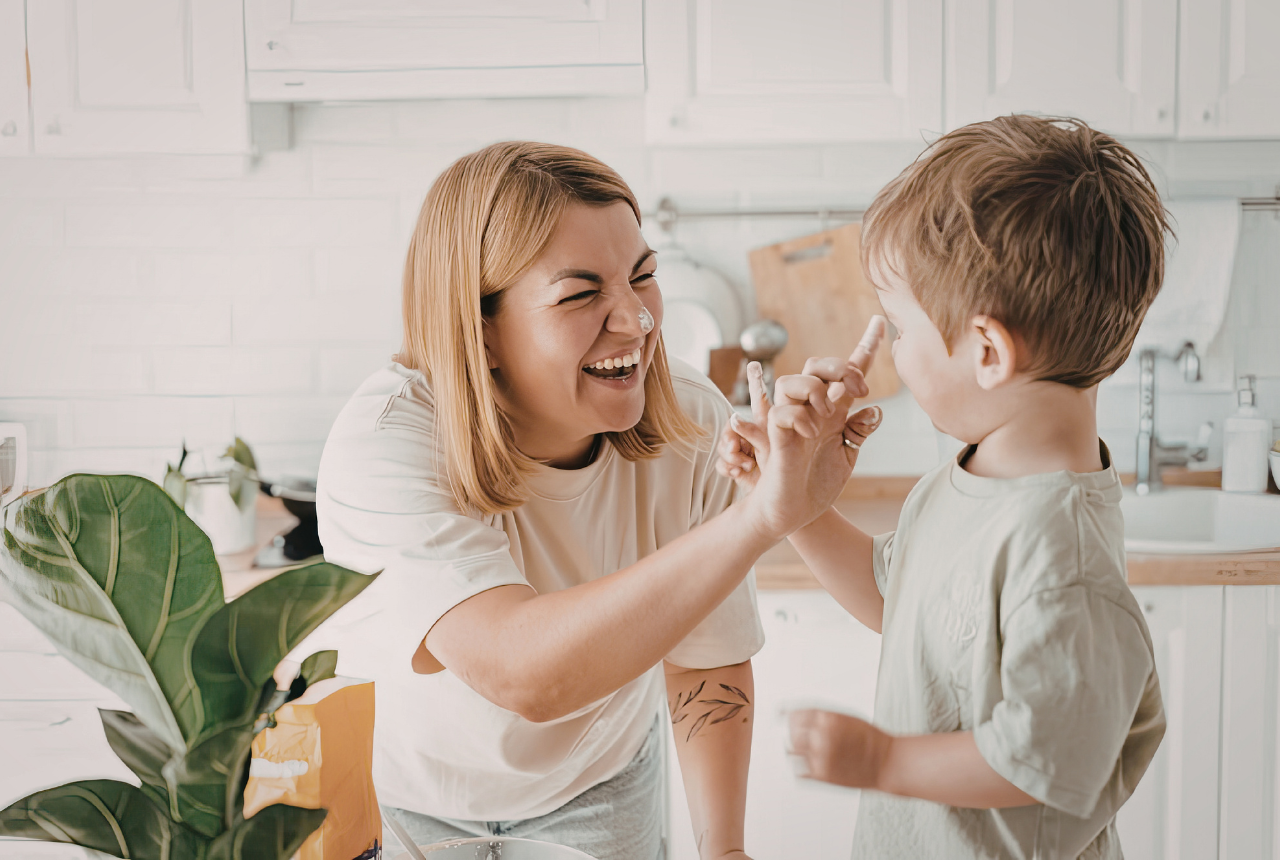
The biggest risk with end-of-summer learning isn't that a child won't practice enough skills. It's that the pressure to "keep them sharp" turns play into something that feels like an obligation. Kids learn best when an activity feels like fun first, and education second. If a scavenger hunt starts to feel like a test, it's time to let it go back to being a game.
Carrying This Rhythm Into the School Year
The intentional, low-pressure rhythm you're building right now, noticing learning in everyday moments, doesn't have to stop when routines settle in. It's actually one of the most valuable habits you can carry into the school year ahead.
If you'd like help holding onto that rhythm all year long, our Meaningful Memories Annual Planner gives you a simple framework for weaving learning and memory-making into your family's calendar, month by month. Grab it for $17 and carry this season's momentum straight into the new school year.
Your Next Steps
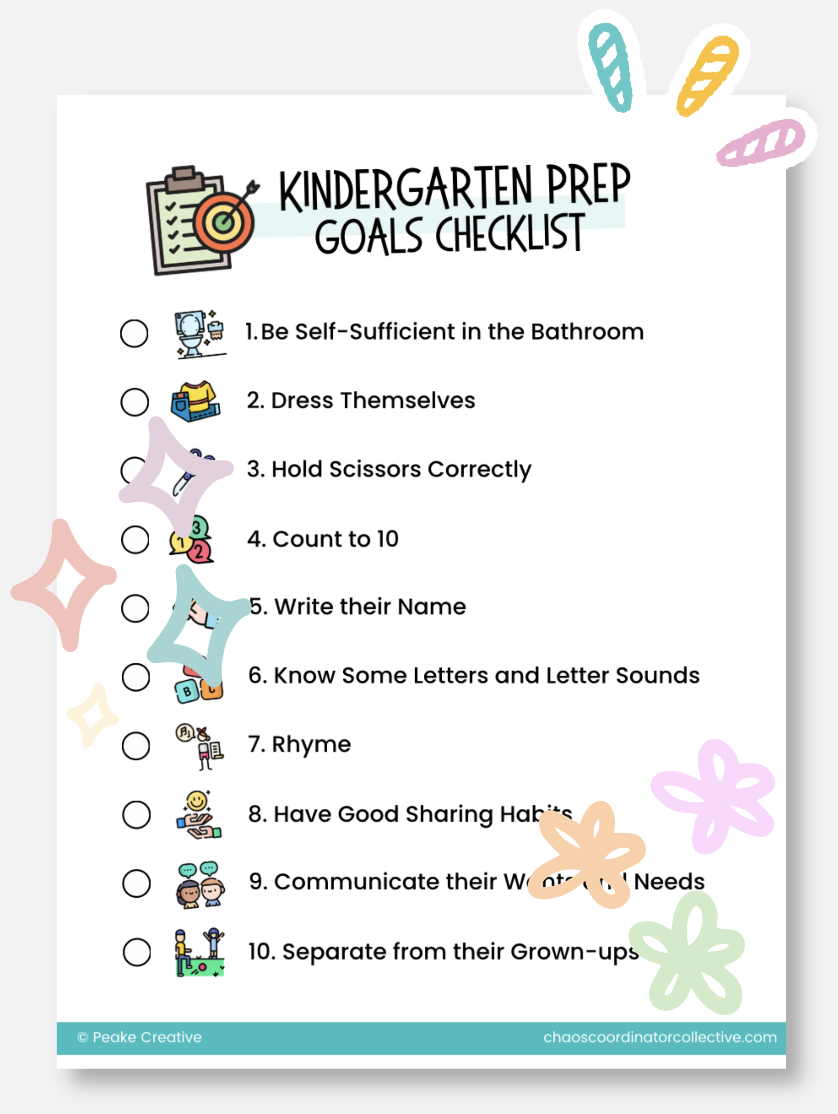
🧡 Keep the learning going without losing the fun. Grab your free Kindergarten Prep Goal Checklist and track the skills that matter most before the first day arrives.
Thank you for reading this content. And if you loved this post, please be sure to join our Preschool Advisor Facebook group where we share more insights and community.
Thank you for reading this content. And if you loved this post, please be sure to join our Preschool Advisor Facebook group. It’s a growing community of parents and preschool teachers where you can learn and share more parenting tips.
Visit our Preschool Advisor and The Buzz Blogs to learn more about related topics and parenting tips.
