
What Kindergarten Readiness Really Means (And Why It’s Not About Doing More Worksheets)
If you’ve ever found yourself wondering, “Is my child ready for kindergarten?”—you’re not alone.
For so many parents, kindergarten readiness feels heavy. There’s pressure to teach letters early, worry about numbers, concern over attention span, and that quiet fear that you might be missing something important. Social media, well-meaning relatives, and comparison culture don’t help. Suddenly it feels like readiness means doing more: more worksheets, more structure, more “school” at home.
But here’s the truth most parents don’t hear enough: more pressure doesn’t equal more readiness. And often, it does the opposite.
The real challenge isn’t whether your child can recite the alphabet—it’s knowing what actually matters and how to support it without turning your days into a constant checklist.
Most of us didn’t learn how to think like a preschool teacher—we learned by trial and error, late-night Googling, and hoping we were doing “enough.”
As early childhood educators and parents ourselves, we’ve seen this same pattern for years: families trying their very best, but lacking clarity. The biggest shift happens when parents stop trying to teach like a classroom and instead start partnering with teachers’ thinking—understanding development, routines, expectations, and what readiness truly looks like in real life.
When you understand what teachers are actually looking for, everything gets lighter. You stop guessing. Your child feels more confident. And learning starts to feel natural again.
What Kindergarten Readiness Really Looks Like
Here’s a practical, teacher-informed way to think about readiness—no worksheets required.
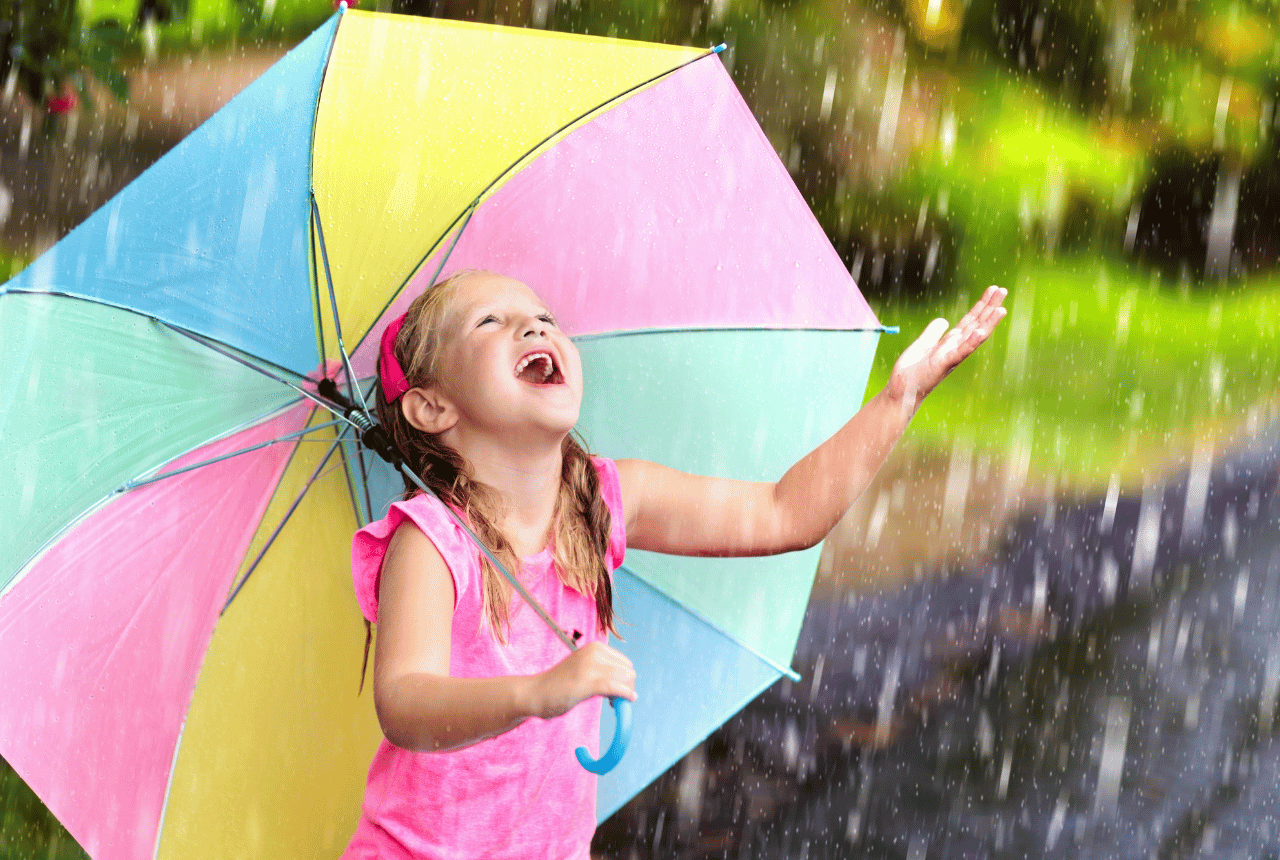
1. Confidence in New Situations
A child who can try, adjust, and recover is far more prepared than one who knows every letter but melts down easily.
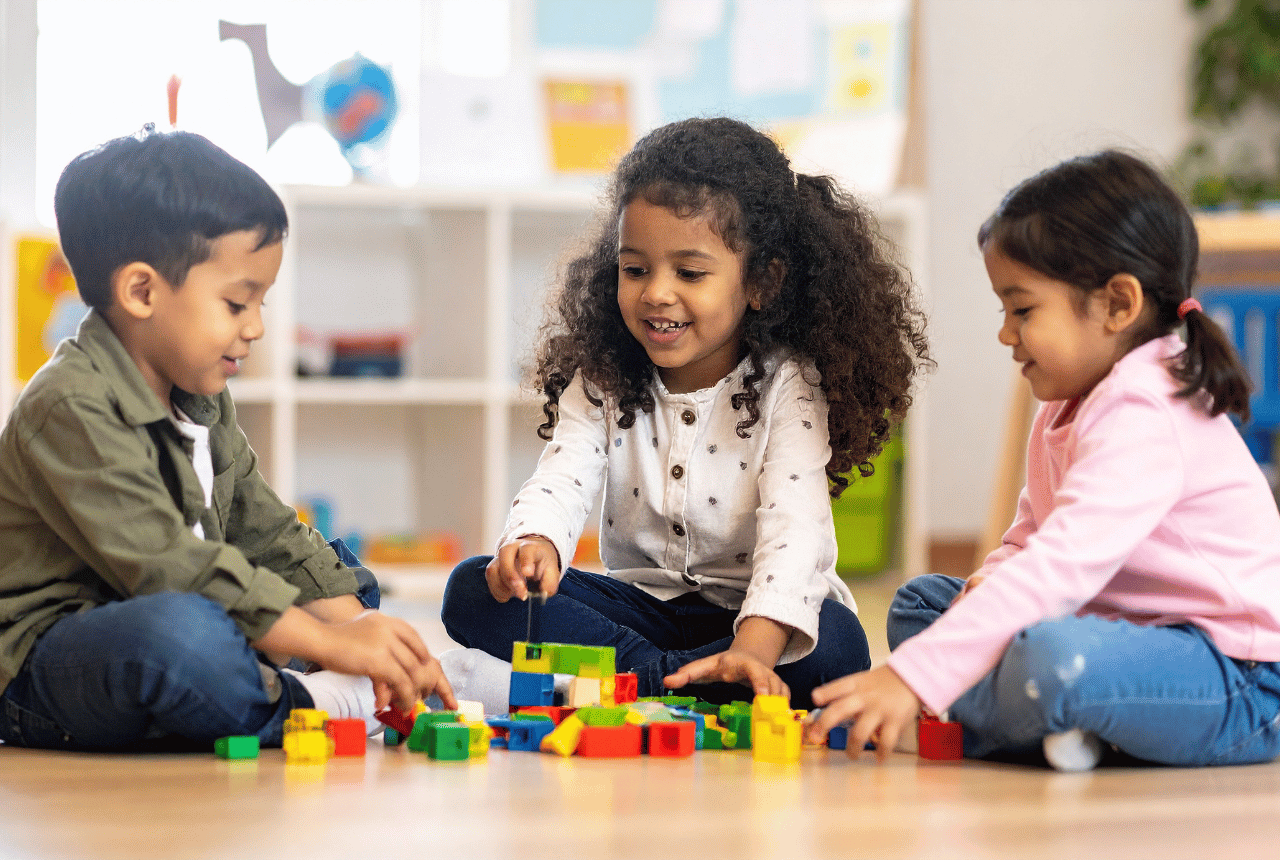
2. Following Simple Directions
Listening, processing, and responding to multi-step instructions is a foundational classroom skill.
3. Emotional Regulation
Being able to calm down with support, name feelings, and transition between activities matters more than early academics.
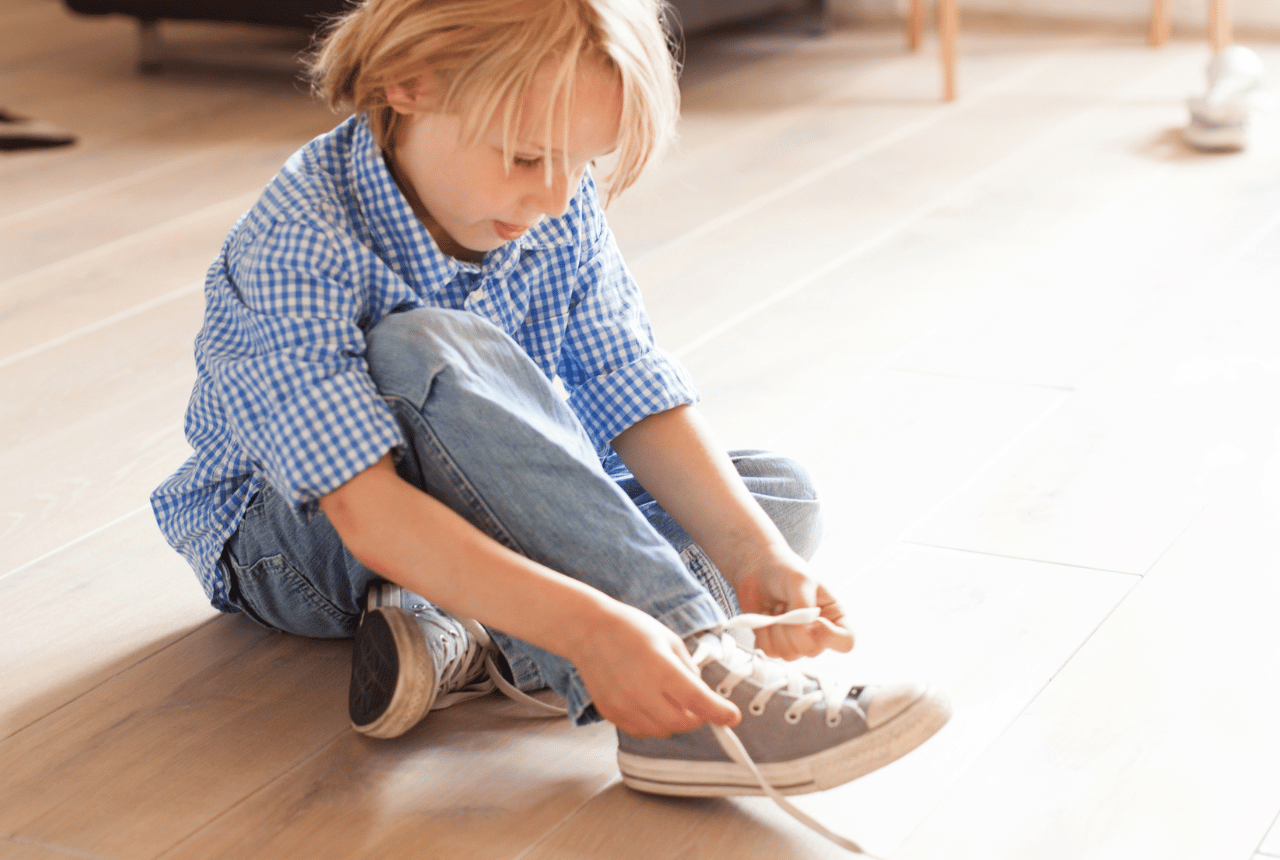
4. Independence with Daily Tasks
Things like putting on shoes, cleaning up materials, and managing personal belongings build confidence fast.
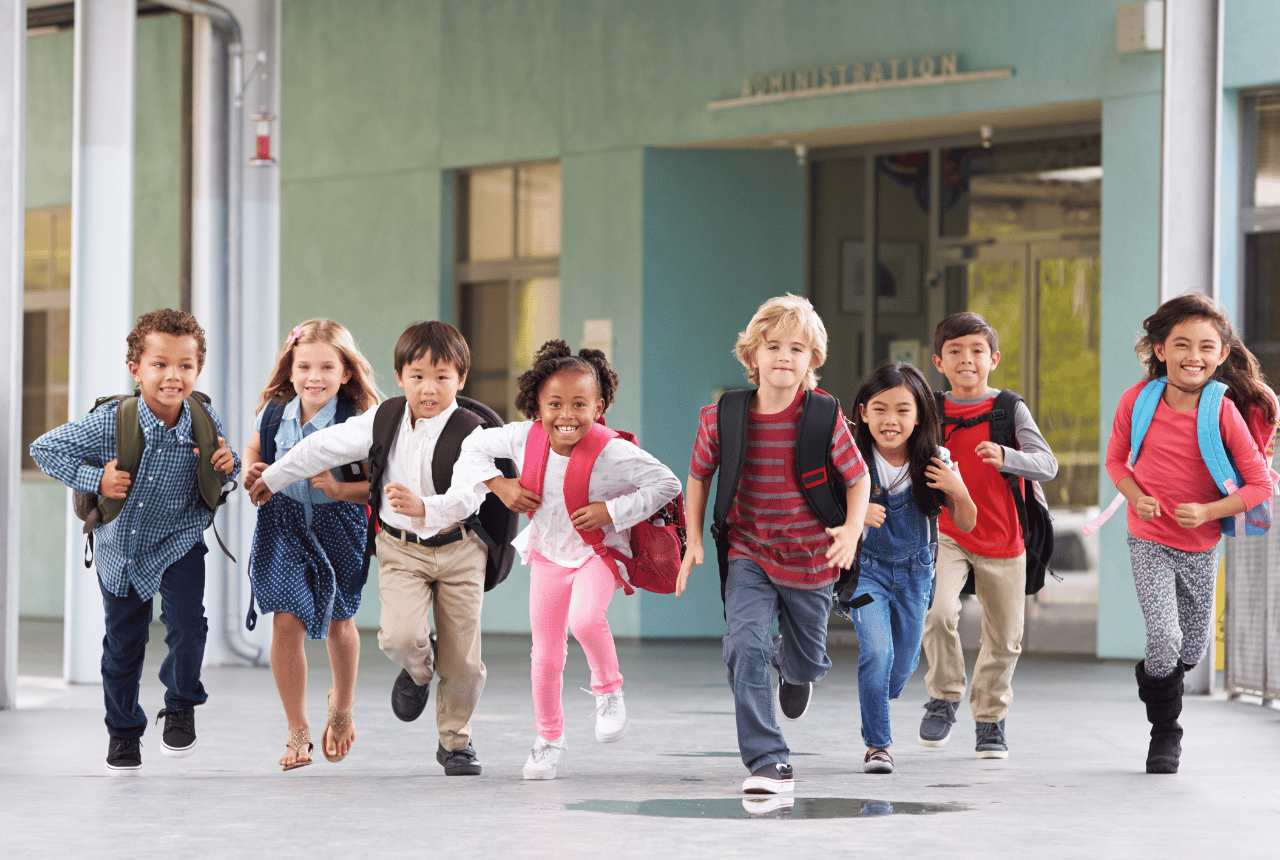
5. A Predictable Daily Routine
Children thrive when they know what comes next. Routines reduce anxiety and support focus.
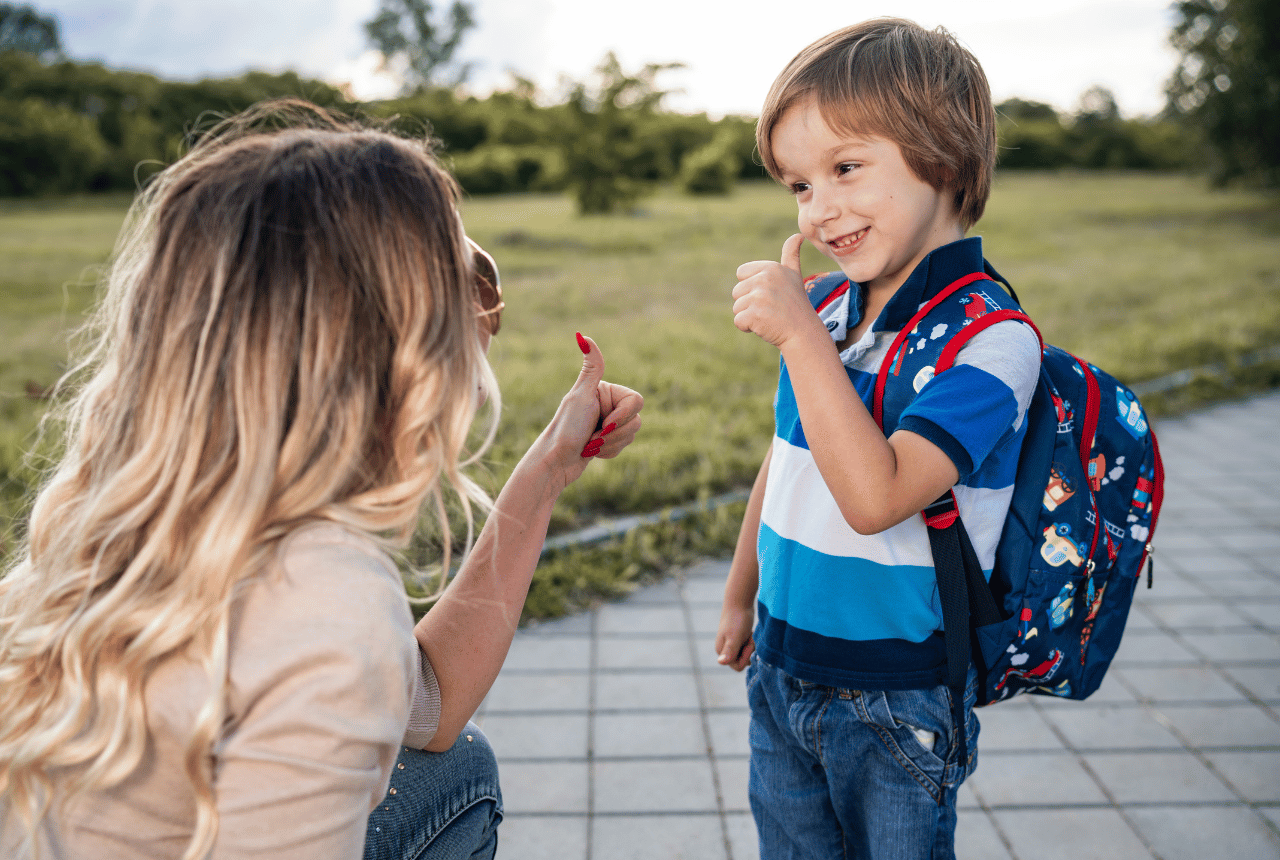
6. Positive Social Skills
Taking turns, asking for help, using words instead of behaviors—these skills are huge indicators of readiness.
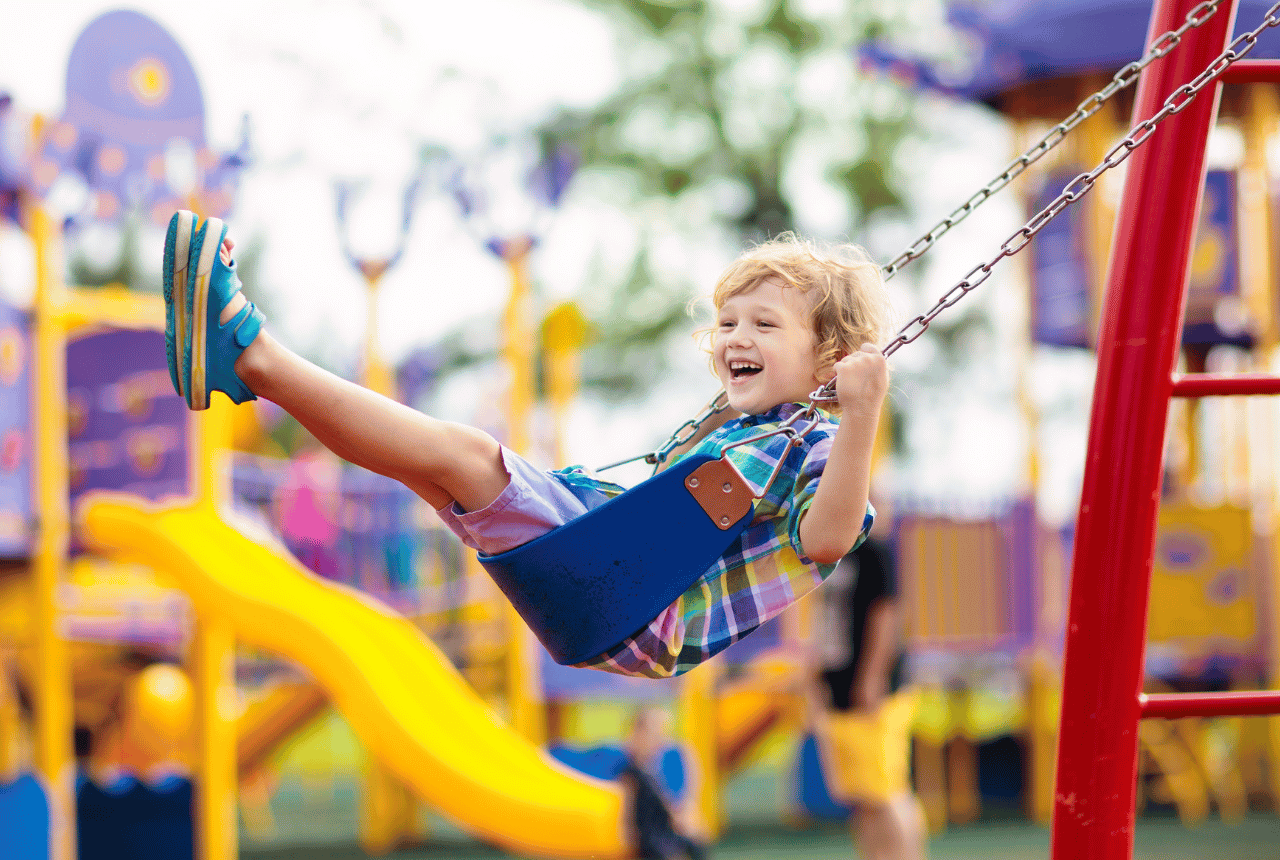
7. Curiosity and Willingness to Learn
Teachers look for engagement, not perfection. Curiosity fuels everything else.
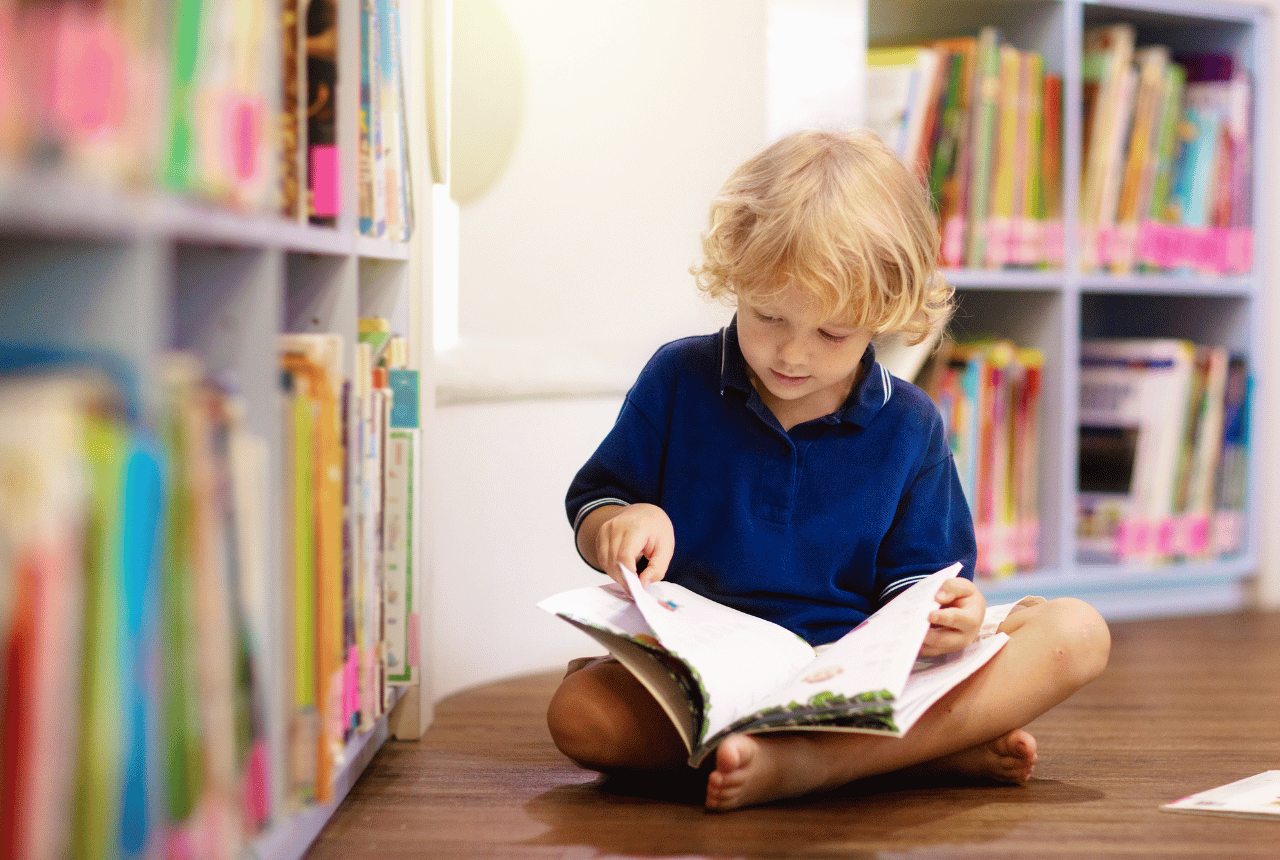
8. Early Literacy Foundations
Not reading—but enjoying books, recognizing letters, understanding that stories have meaning.
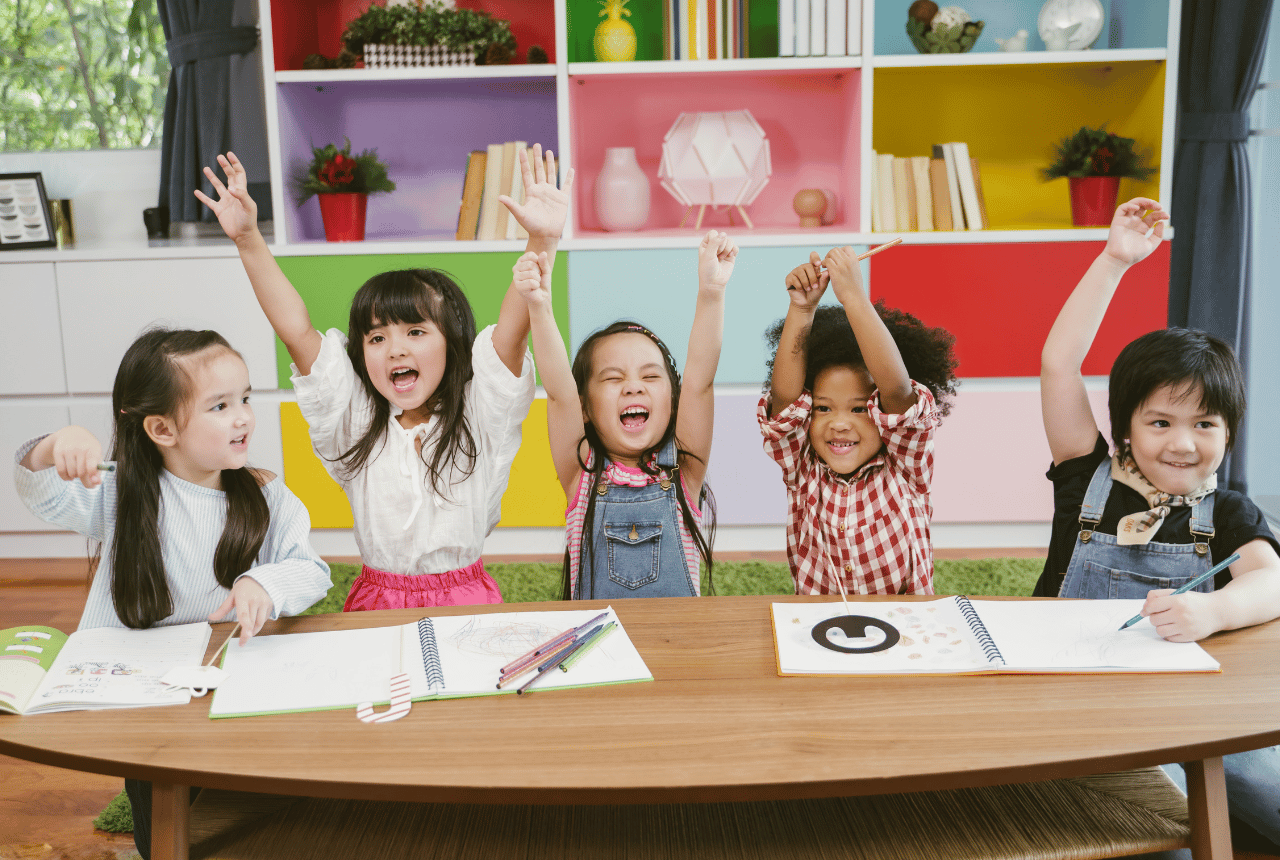
9. Basic Number Sense
Counting objects, noticing patterns, and understanding “more” and “less” lays the groundwork for math success.
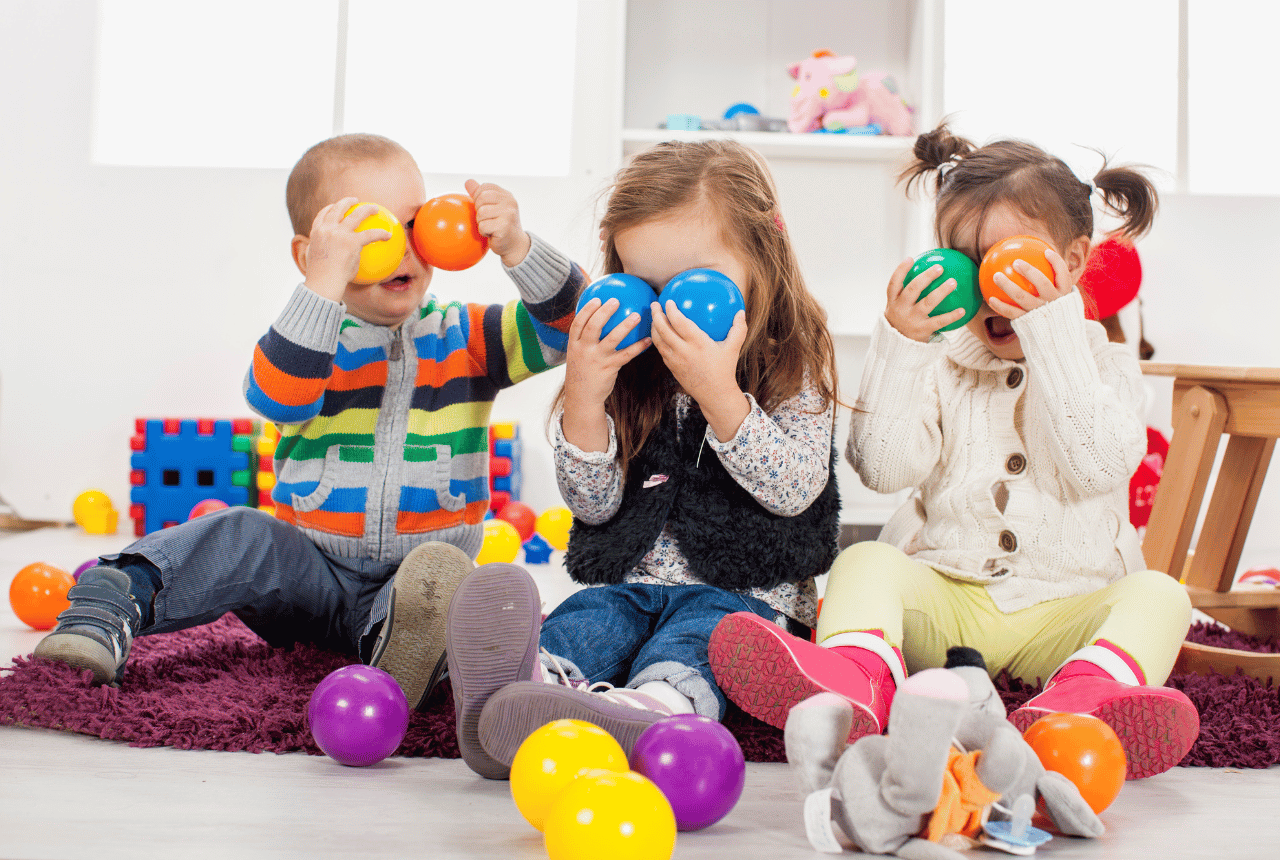
10. Comfort with Structure and Play
Kindergarten requires children to move between focused learning and unstructured play smoothly.
11. Confidence Separating from Caregivers
Feeling secure enough to say goodbye and trust new adults is a big milestone.
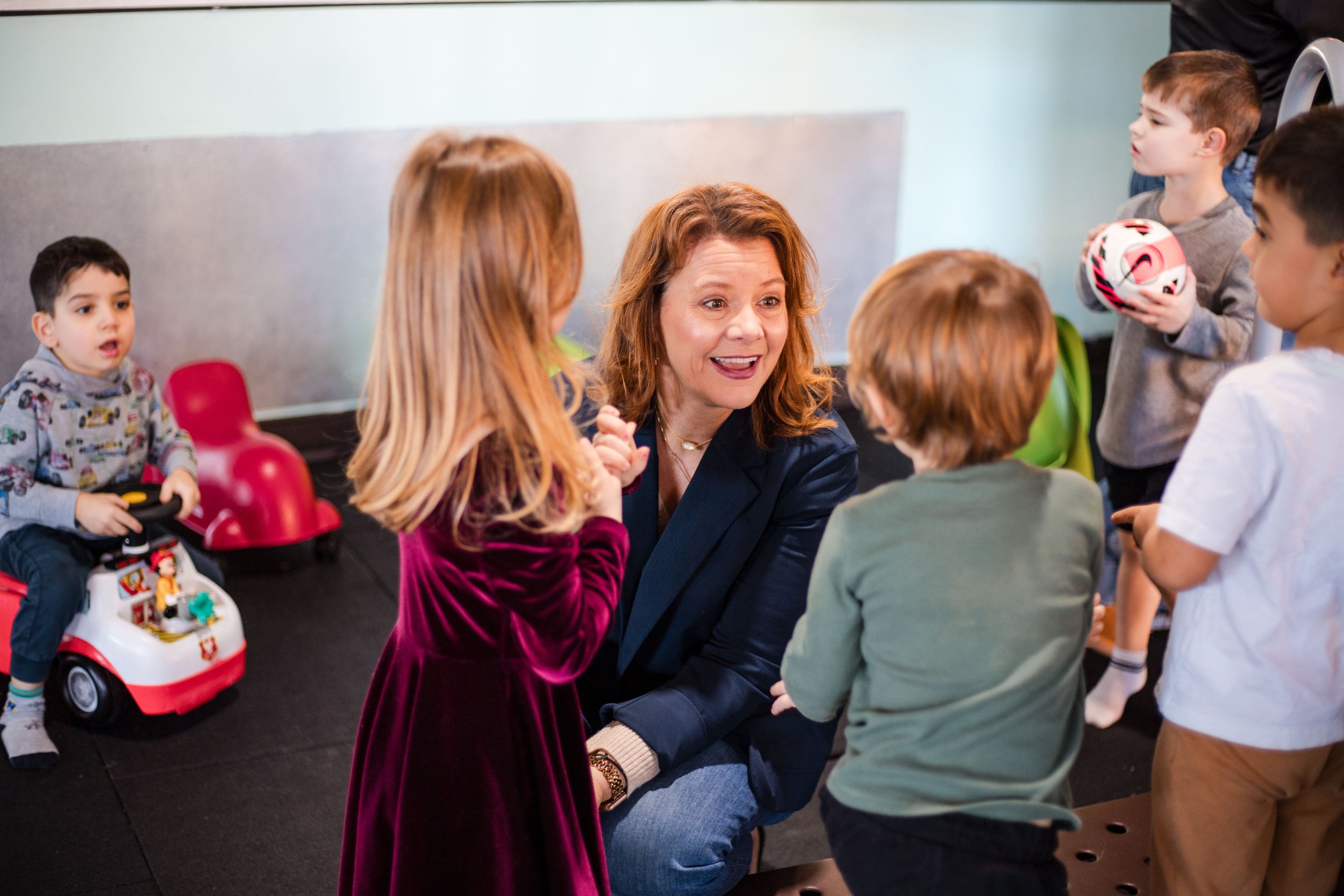
12. Supportive Adults Who Understand Development
Readiness isn’t just about the child—it’s about the environment we create around them.
Why This Matters More Than You Think
When readiness is misunderstood, children often enter kindergarten feeling overwhelmed instead of excited. That early stress can impact confidence, behavior, and long-term attitudes toward school. On the flip side, children who feel emotionally safe and capable are more likely to take risks, ask questions, and enjoy learning.
Kindergarten sets the tone. Getting this stage right matters—not by pushing harder, but by supporting smarter.
What Research and Teachers Consistently Show
Early childhood research consistently shows that social-emotional skills are stronger predictors of long-term academic success than early academic skills.
Kindergarten teachers regularly report that difficulties with routines, transitions, and emotional regulation are far more challenging than gaps in letters or numbers.
Children who experience early school stress are more likely to disengage from learning over time.
In other words: readiness is about regulation, not rush.
Free Resource
Thank you for reading this content. And if you loved this post, please be sure to join our Parent Advisor Facebook group where we share more insights and community.
If you’re craving clarity—and want to feel confident that you’re focusing on the right things—you don’t have to figure this out alone.
Start with our free Kindergarten Readiness Checklist, designed by preschool teachers to help you see where your child truly is and what to support next—without pressure or overwhelm.
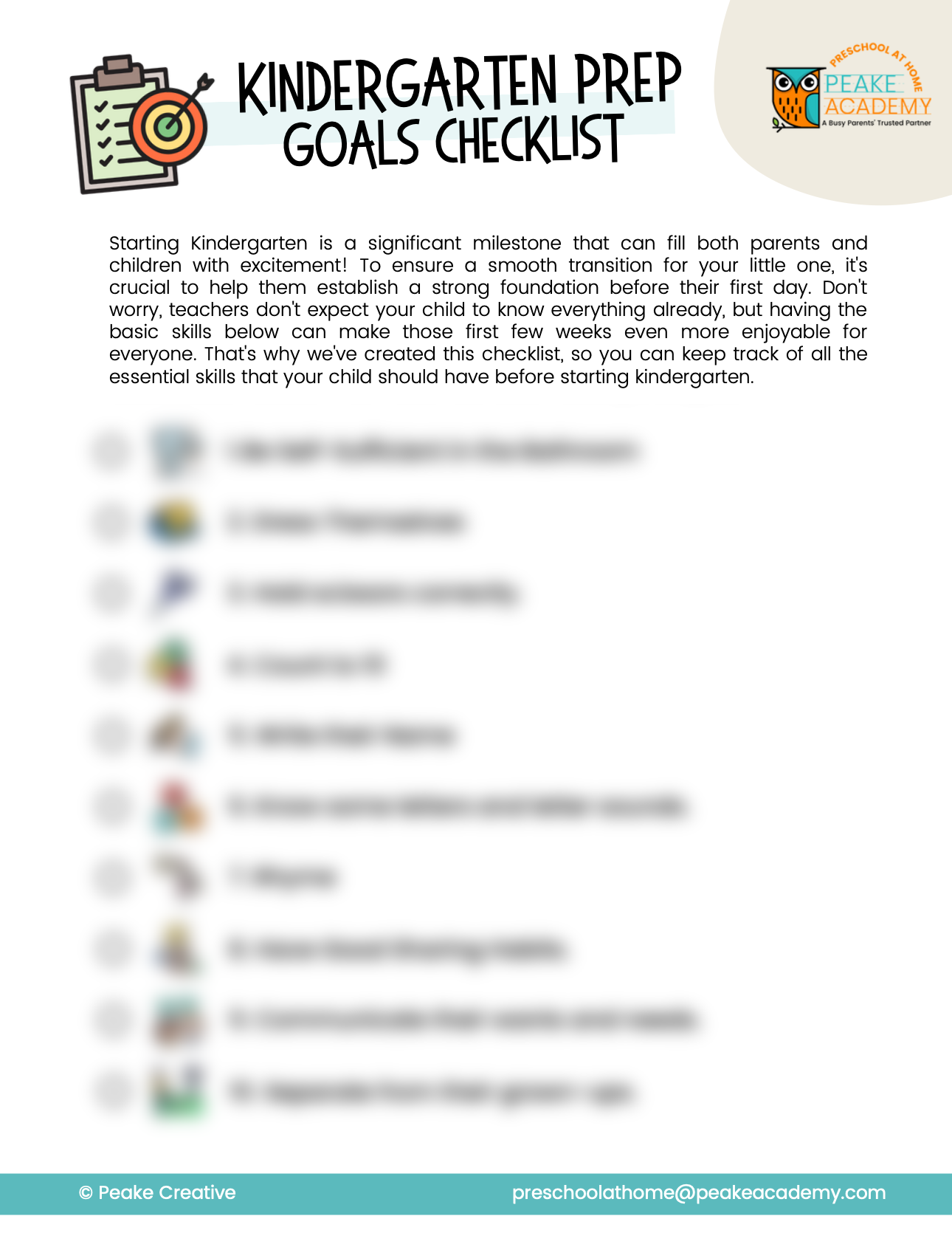
And if you’re ready to go deeper, Teacher Partner Essentials was created to help parents think like teachers: setting routines, understanding expectations, and building a strong foundation for kindergarten readiness with confidence and ease.
You’re not behind. You’re right on time—especially when you have the right support.
Preschool-At-Home Teacher Partner Essentials
A comprehensive, printable guide crafted by seasoned early childhood experts. This kit is designed to empower you, the Chaos Coordinator, with all the tools and resources you need to deliver a uniquely engaging educational experience in any setting.
Visit our Parent Advisor and The Buzz Blogs to learn more about related topics and parenting tips. You are welcome to join our private Parent Advisor Facebook group. It’s a growing community of parents and preschool teachers where you can learn and share more parenting tips.