
Preschool Fall Behavior Tips | Positive Strategies for Calm Homes & Classrooms
The backpack is finally by the door on time. The morning routine is finally clicking. And then, out of nowhere, a shoe won't go on right and the whole house is standing at the edge of a meltdown.
Fall brings a lot of change for a small person to absorb. New wake times, new faces, new expectations, all landing at once. The big emotions that follow aren't a sign that something's gone wrong. They're a sign that a lot is being asked of a very young nervous system, all in the same season.
Fortunately, a few proactive strategies, used consistently, can turn most of those moments from a standoff into a reset.
Where These Strategies Come From
These aren't guesses. They're pulled straight from 30 years of early childhood classrooms, including behavior strategies built into curriculum used by programs across the US and Europe. The children in your life aren't misbehaving on purpose. They're communicating in the only language they have access to in the moment. These strategies work with that, not against it.
Positive Behavior Strategies That Actually Calm Things Down
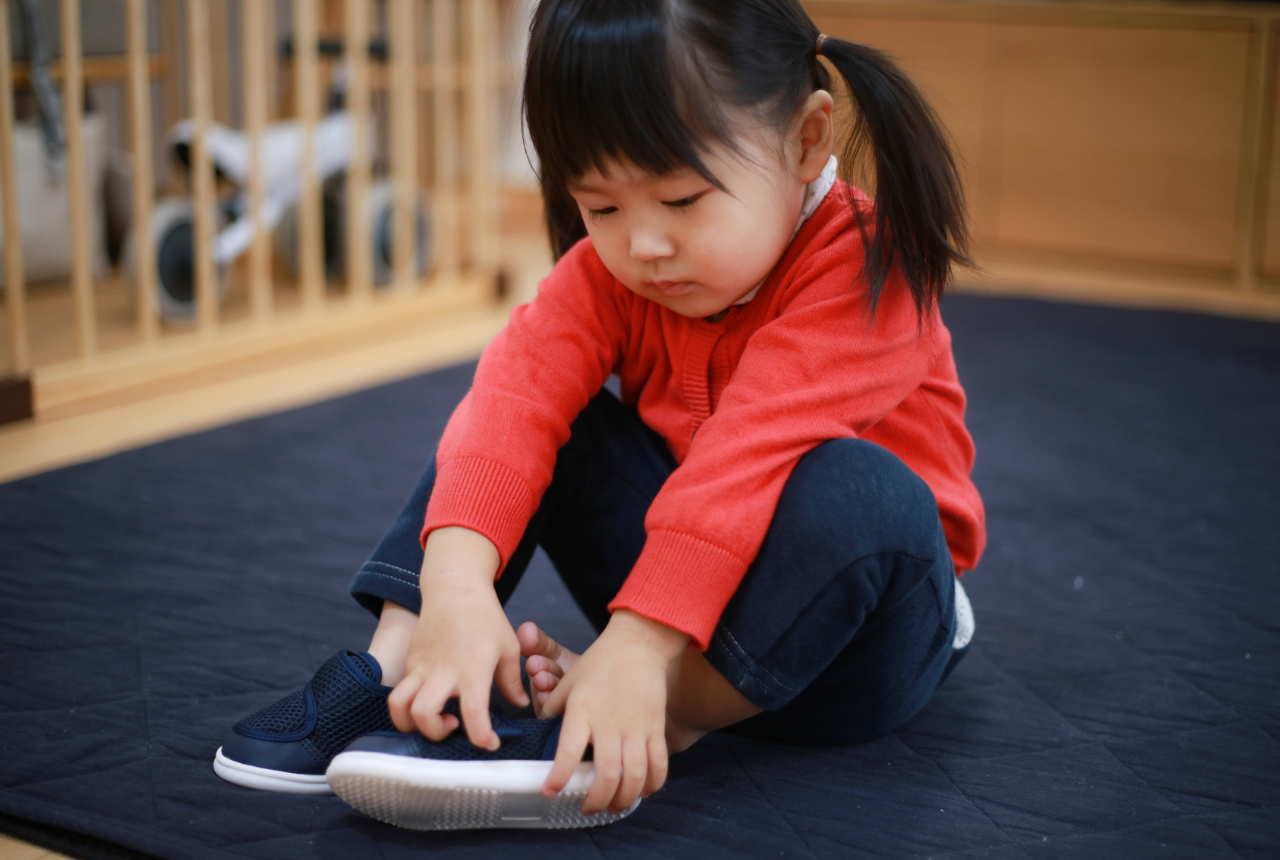
Name the feeling before you address the behavior
"You're frustrated because your shoe won't cooperate" does more in five seconds than any amount of reasoning. Naming the feeling tells a child they've been seen, and being seen is often what a big reaction is actually asking for.
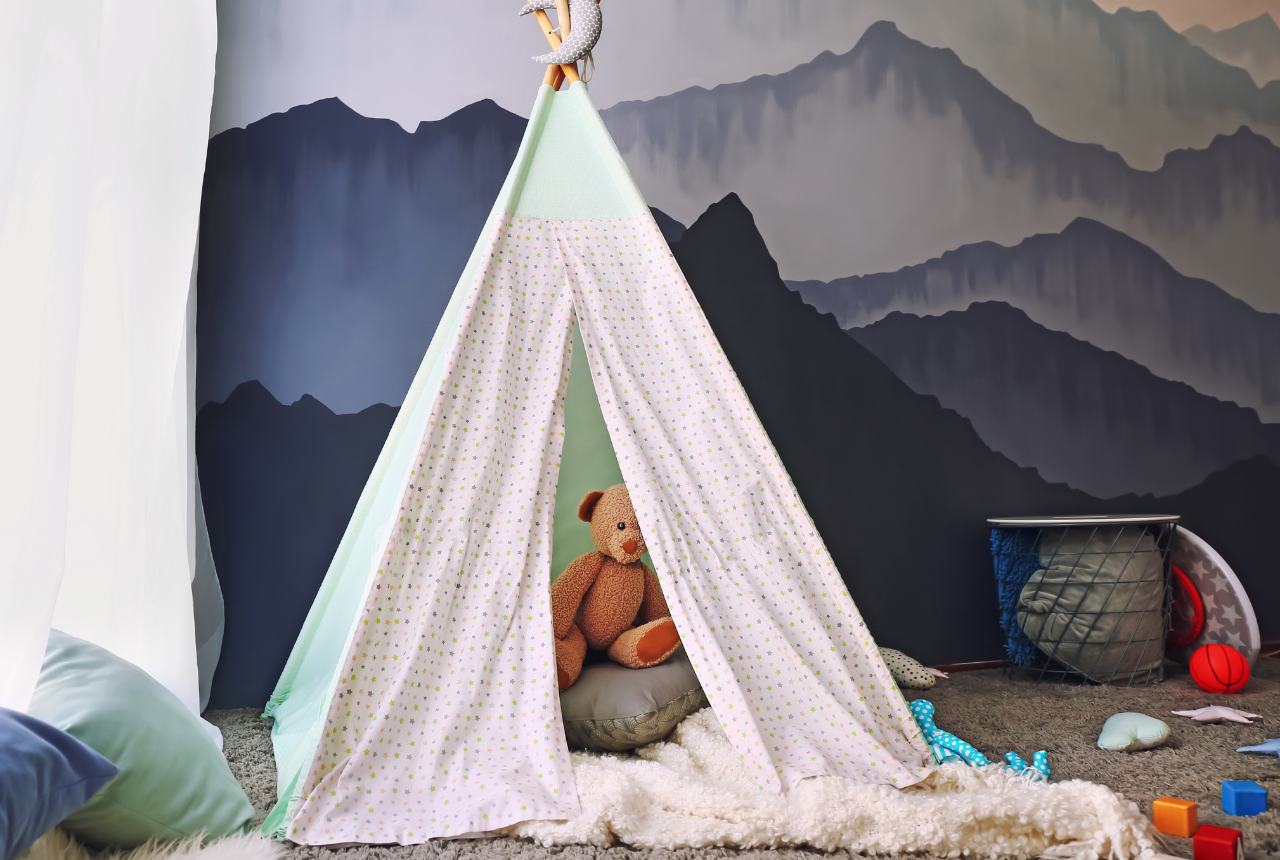
Set up a calm-down space, not a time-out spot
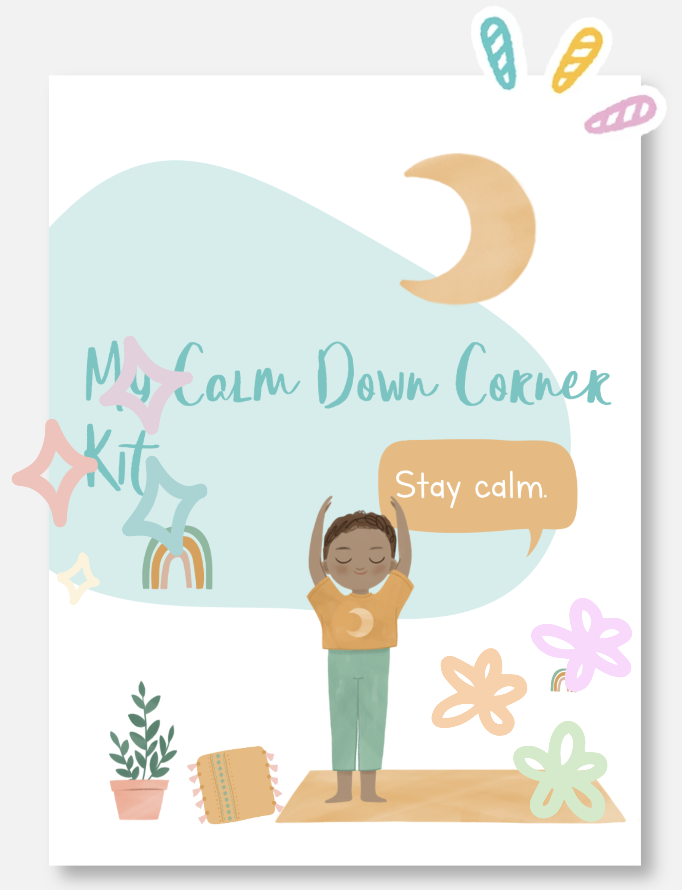
A cozy corner with a soft pillow, a few calming visuals, and space to breathe gives a child somewhere to go to regulate, not a place to be sent as a consequence. The difference matters. One teaches self-regulation. The other teaches fear of the reaction.

Use two-choice redirection
When a power struggle starts brewing, offer two acceptable paths forward: "Do you want to put your shoes on the rug or by the door?" Choice defuses the standoff because your child gets to feel some control, even inside a moment you're still guiding.
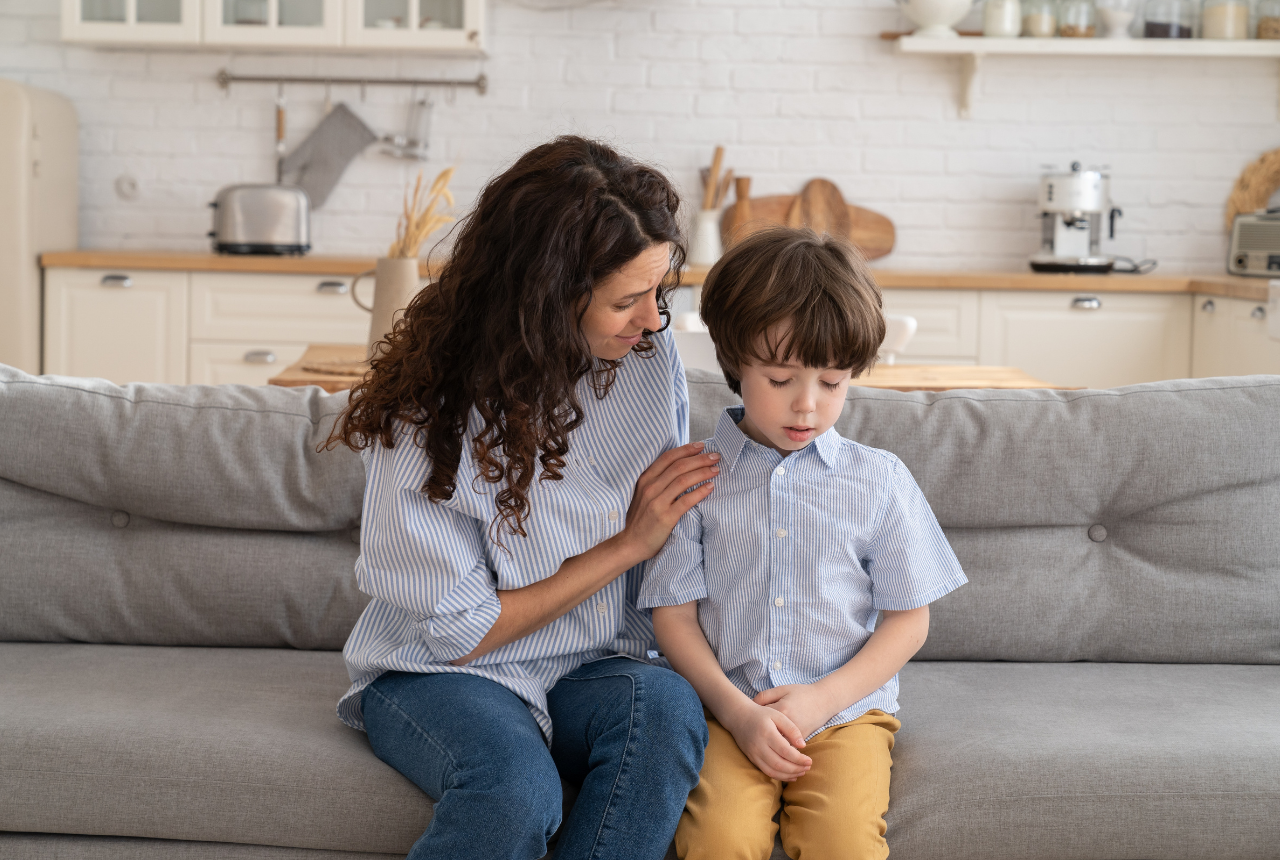
Catch the calm, not just the storm
Specific praise for the moments that go well, "You took a deep breath instead of yelling, that was hard and you did it," reinforces the behavior you want far more than any amount of attention paid to the moments that go sideways.
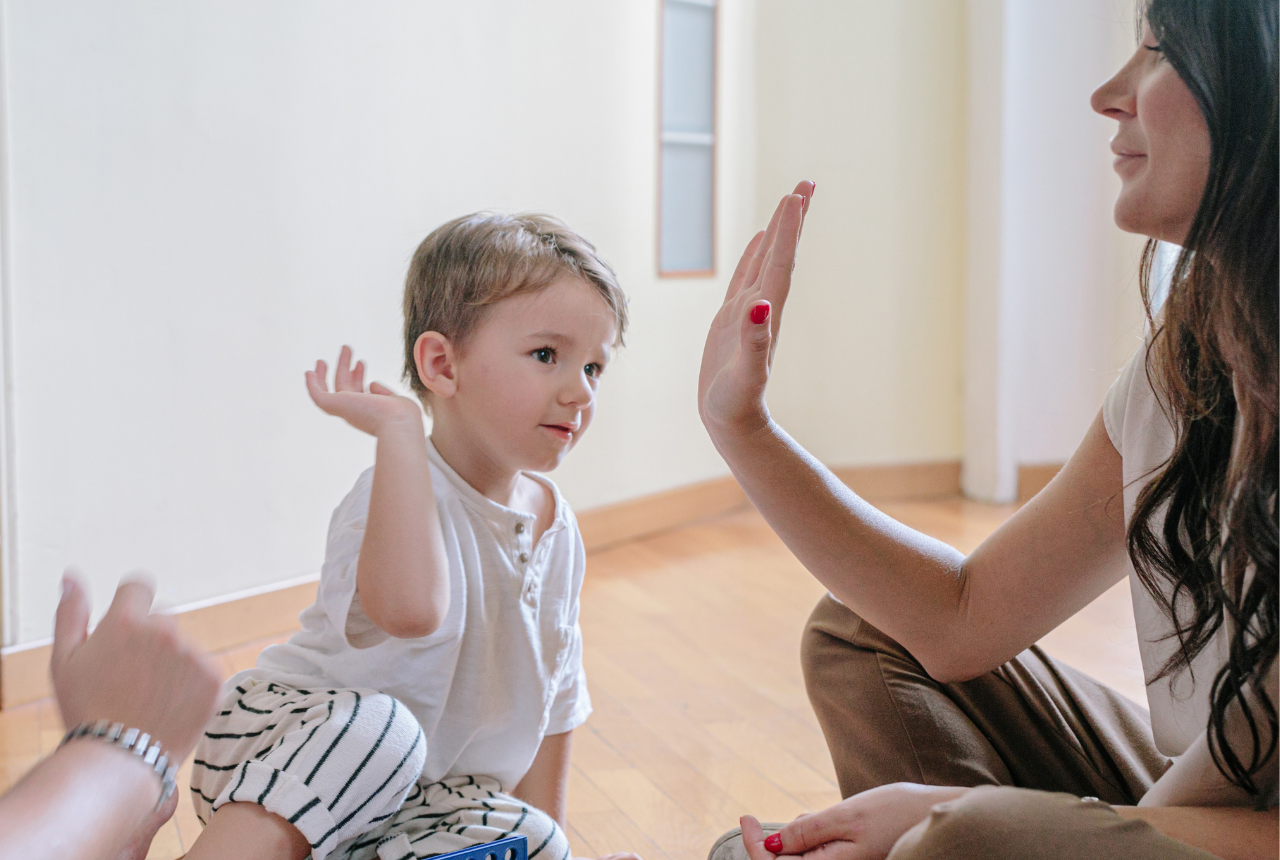
Build one steady go-to phrase for transitions
Pick one short phrase, like "five more minutes, then we clean up," and use it every single time. Repetition builds predictability, and predictability is what keeps transitions from becoming battles.
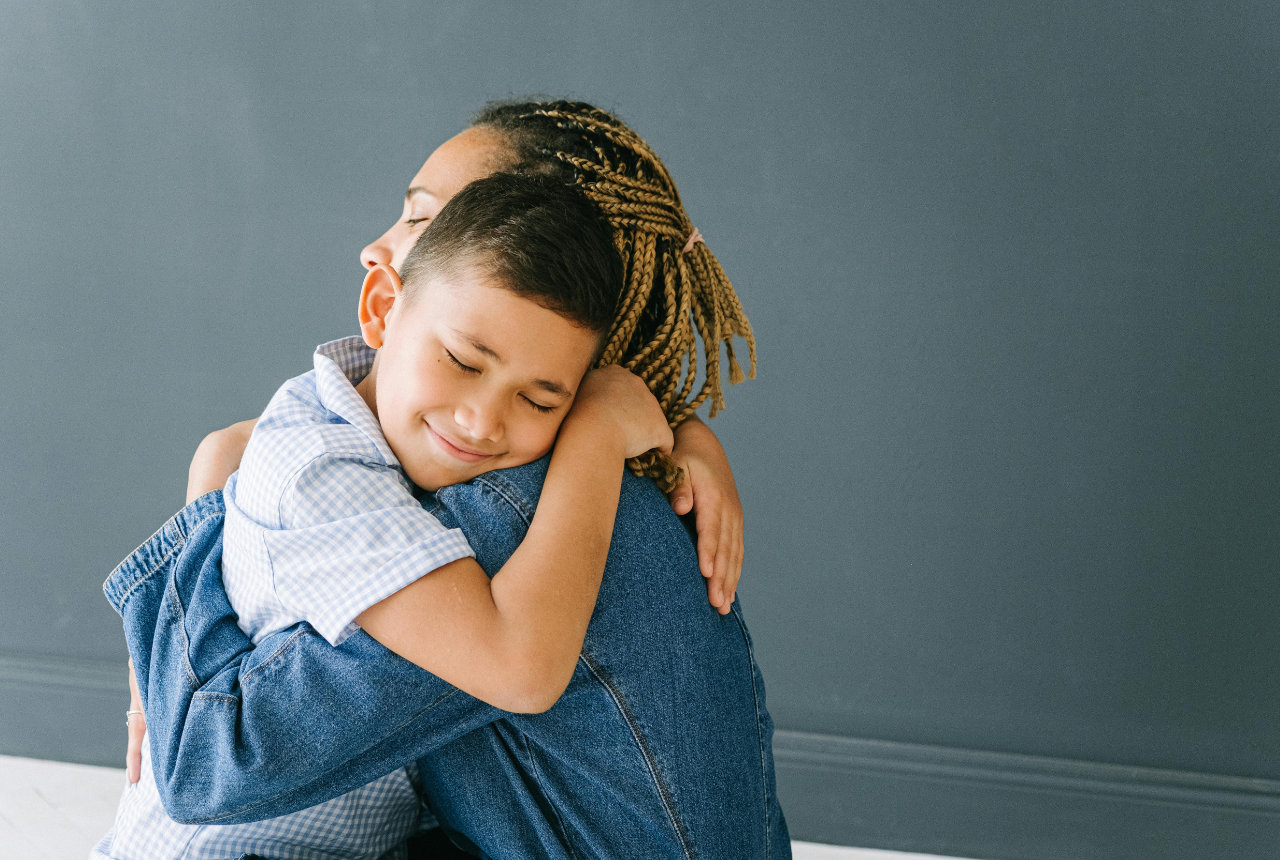
Create a reset routine for after the storm passes
A hug, a few deep breaths together, and a simple "you're okay now" close the loop after a hard moment. This teaches your child that big feelings end, connection returns, and nothing about the outburst changed how loved they are.
Why This Matters Right Now
Transitioning from activity to the next asks a lot of preschoolers all at once, and the behaviors that show up this season often set the pattern for the rest of the school year. Put these strategies into practice now, while new routines are still forming, and calm becomes the default instead of something you're constantly working to restore.
You're Not Failing, You're Building a Skill
Every calm-down moment and every named feeling is teaching your child something that will serve them long after this season passes. Pick one strategy to start with this week. Let it become second nature before adding the next.
Grab My Calm Down Corner Kit below to set up your first calming space today.
Thank you for reading this content. And if you loved this post, please be sure to join our Preschool Advisor Facebook group where we share more insights and community.
Thank you for reading this content. And if you loved this post, please be sure to join our Preschool Advisor Facebook group. It’s a growing community of parents and preschool teachers where you can learn and share more parenting tips.
Visit our Preschool Advisor and The Buzz Blogs to learn more about related topics and parenting tips.
